Stava-Murray supports HB4966 aimed at enhancing DCFS youth protections
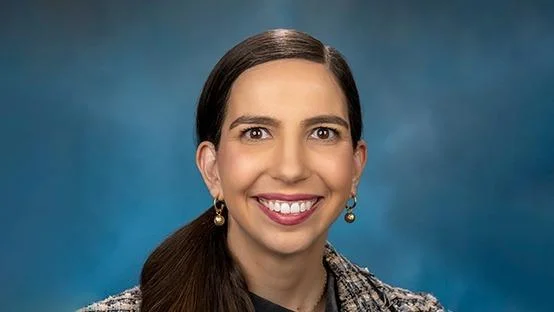
Rep. Anne Stava-Murray (D-81st) cast a Yes vote for HB4966 during the 104th General Assembly on May 31, 2026, strengthening protections for young people under the care or custody of the Department of Children and Family Services. The Illinois House recorded a 75-40 passage for the measure.
According to the bill's official summary: "DCFS-SECURE ACT."
Below, we outline key points from the actual bill text, including clarifications for ease of understanding.
Becoming effective July 1, 2027, this legislation creates the SECURE Act to enhance protections for youth in DCFS care, especially those in out-of-state placements. Key provisions require case plans to detail caregiver obligations for safe, nondiscriminatory, and supportive care relevant to each youth’s needs and protected traits. It restricts the department from authorizing conversion therapy, mandates risk and health assessments, and establishes ongoing in-state monitoring for interstate placements of those 8 or older. It also provides a presumptive right for youth to their preferred placement, ensures access to lawful health care, mandates annual public reporting, performance audits, and increases court oversight. The act calls for the appointment of counsel for specific youth and allows private legal action against DCFS and licensed providers who violate the law.
The legislative action noted for HB4966 was 'Senate Committee Amendment No. 1 House Concurs.'
Stava-Murray earned her bachelor's degree from Dartmouth College in 2008.
A member of the Democratic Party, Stava-Murray has represented Illinois' 81st House District since 2019, succeeding David S. Olsen as state representative.
In Illinois, bills go through a multi-step legislative process that includes introduction in either legislative chamber, committee consideration, floor debates, votes in both the House and Senate, and final decisions by the governor. The General Assembly follows a biennial calendar and, while thousands of bills are introduced each session, only a small proportion ultimately become law.