Sen. Suzy Glowiak Hilton backs SB3113 to expand digital asset options for Illinois credit unions
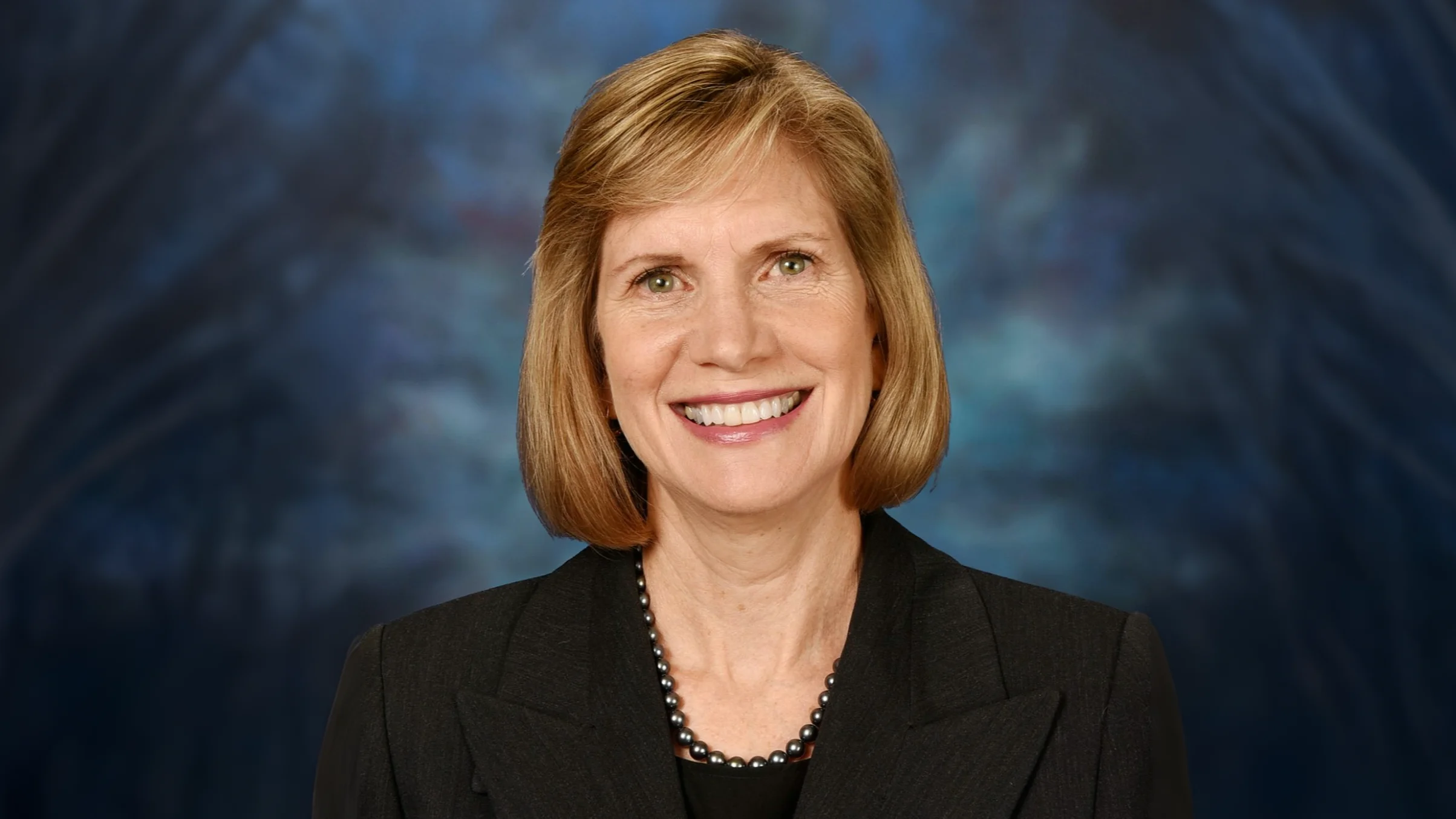
Sen. Suzy Glowiak Hilton (D-23rd) cast a Yes vote on SB3113 during the 104th General Assembly on May 31, 2026, thereby supporting legislation that authorizes Illinois credit unions to provide digital asset and investment services. The bill cleared the Illinois Senate with a vote of 50-6, according to the Illinois Senate.
The official description for the legislation in the bill text reads: "CREDIT UNIONS-VARIOUS."
The summary below is based on information from the bill text and aims to clarify its core provisions.
Broadly, the legislation amends the Illinois Credit Union Act by allowing the registered agent office of a credit union to be located at a different address than its principal place of business, and establishes specific guidelines for documenting, signing, and authorizing meeting minutes. It grants permission for credit unions to offer digital asset services to members through qualified third parties, contingent on due diligence, formal contracts, and required risk notifications. In addition, the bill allows credit unions to sell fee-based motor vehicle debt cancellation products, classifying them as loan services rather than insurance. Permitted investments are also broadened to include certain commercial mortgage securities and collateralized mortgage obligations in line with federal criteria. The bill becomes effective immediately upon enactment.
The legislative record for SB3113 notes the action as 'House Floor Amendment No. 2 Senate Concurs'.
Hilton earned a BA from Illinois Institute of Technology in 1983.
A member of the Democratic party, Hilton was elected to represent Illinois’s 23rd Senate District in 2023, succeeding Diane Pappas.
Legislation in Illinois is considered through a multi-step process that involves introduction in either chamber, committee consideration, floor debate, and votes in both the House and Senate before submission to the governor for further action. The General Assembly convenes on a biennial basis, with thousands of bills introduced per session and only a limited number advancing to become law.