Sen. Suzy Glowiak Hilton backs measure to enhance restroom and lactation rights for construction workers
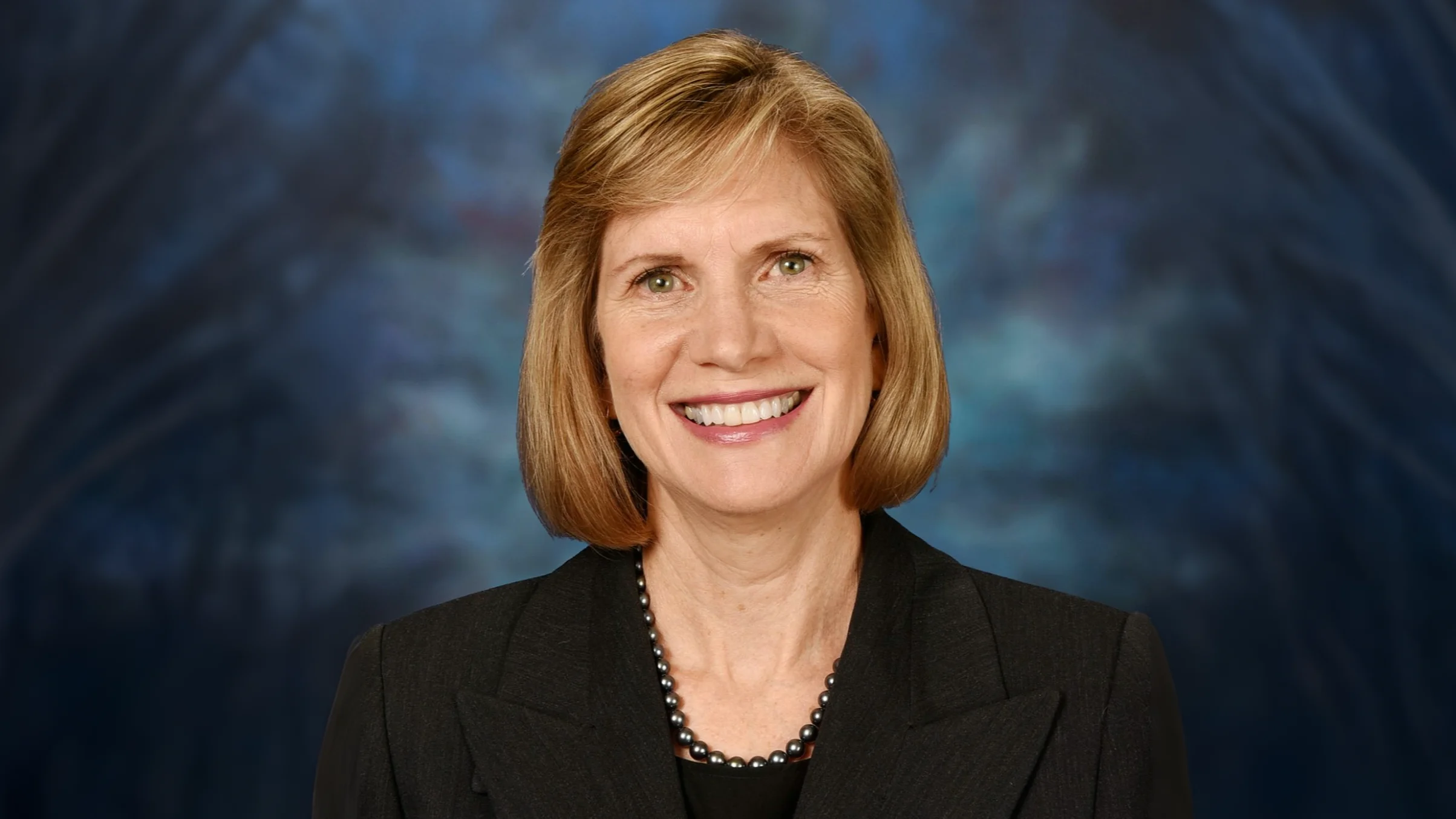
Sen. Suzy Glowiak Hilton (D-23rd) cast a Yes vote for SB3465, a measure that aims to broaden sanitary and lactation safeguards for construction workers, during the 104th General Assembly on May 31, 2026. The Illinois Senate advanced the bill, which passed by a 45-13 margin.
According to the provided summary of the bill: "CONSTRUCTION-SANITARY REQS."
The following overview, based on the actual legislative language, offers clarification of the bill’s provisions.
SB3465 updates the state’s construction site restroom law to mention menstrual and lactation-related sanitary needs and extends related protections to construction workers. Key changes include a requirement for distinct toilet facilities for women and individuals who menstruate when worksites have at least 10 laborers, provision for secure toilets on-site, enough time to use them, and access to complimentary menstrual products in appropriate areas. The act also mandates employers make reasonable accommodations for lactating employees, ensuring access to private, lockable spaces, flexible breaks, adjacent water supply, and sanitary refrigeration. The bill allows workers to ask for inspections, forbids employer retaliation, assigns local health agencies the authority to issue fines for breaches, and becomes law immediately upon enactment.
SB3465’s recorded status was 'House Floor Amendment No. 1 Senate Concurs'.
Hilton earned her BA from Illinois Institute of Technology in 1983.
Hilton, a Democrat, was elected to the Illinois State Senate in 2023 to represent the 23rd Senate District, succeeding Diane Pappas as state senator.
In Illinois, proposed laws advance through a multi-step legislative process beginning with their introduction in either legislative chamber, followed by committee scrutiny, debates on the floor, and votes in both the House and Senate. Once passed, proposed bills proceed to the governor for signing or veto. The General Assembly operates on a biennial calendar, with thousands of bills introduced in a typical session, though only a minority become law.