Sen. Glowiak Hilton approves SB3506 to revise Illinois sexual assault and victims’ rights laws
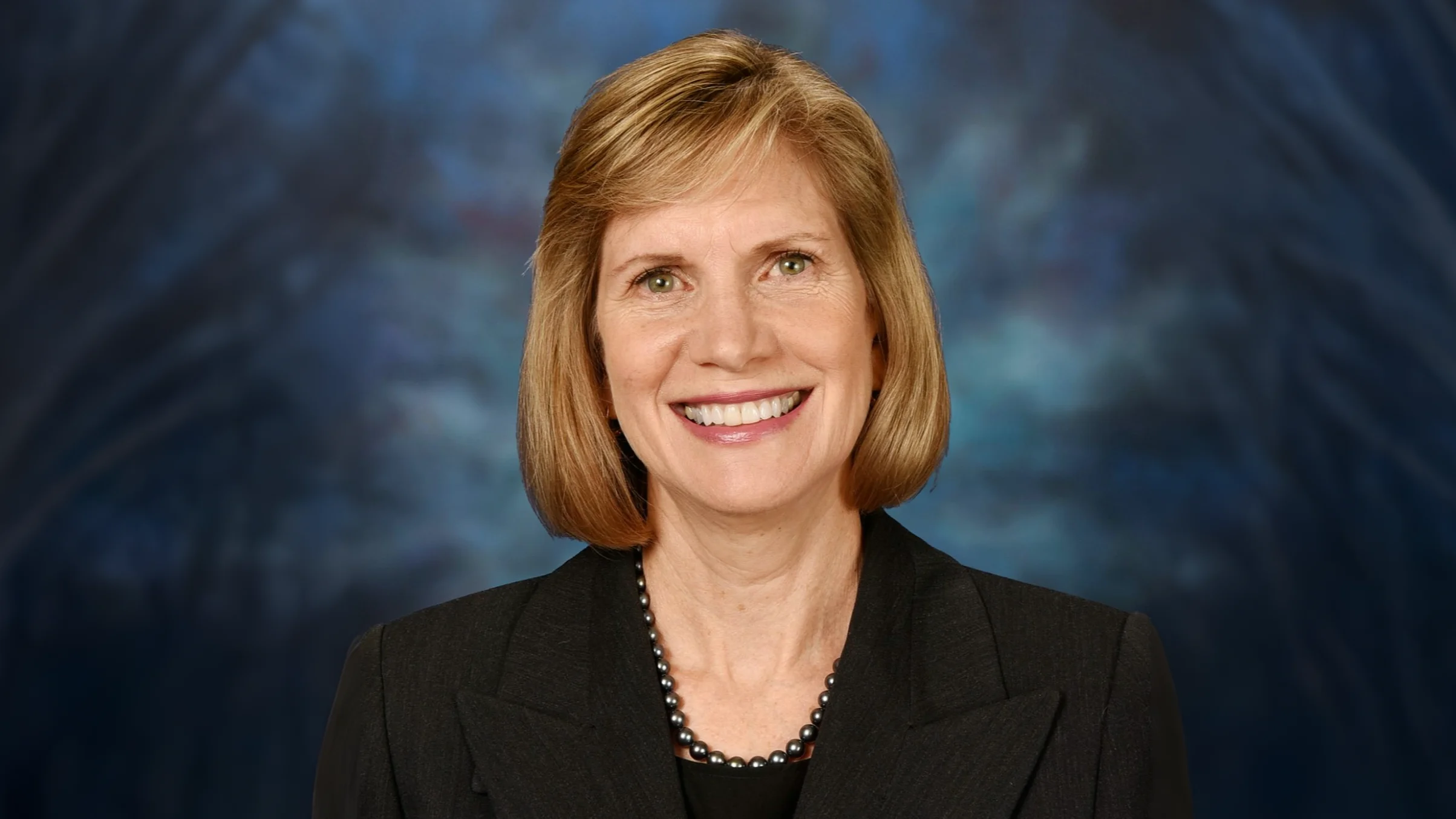
During the 104th General Assembly on May 31, 2026, Sen. Suzy Glowiak Hilton (D-23rd) supported SB3506 with a Yes vote. The measure, which updates Illinois statutes on sexual assault and crime victims’ rights, cleared the Senate with unanimous 58-0 approval, per the Illinois Senate.
The bill's official text identifies its focus as "CRIME VICTIMS RIGHTS."
The summary below offers an interpretation of the actual bill language for a clearer understanding of its provisions.
This legislation amends various Illinois laws related to sexual assault, juvenile records, victims’ rights and address confidentiality. Effective Jan. 1, 2028, hospitals and certain pediatric facilities may use TeleSANE telehealth systems so credentialed providers can supervise sexual assault medical forensic exams remotely, provided that specific training, technology and privacy standards are met. The bill mandates redacting personal information of nonrequesting victims in juvenile cases involving multiple minors or sex offense victims, and prevents the exclusion of crime victims from any trial portion unless a written request is submitted at least 60 days before the proceeding. It also broadens the address confidentiality program by expanding eligibility to additional persons in a household, allowing 4-year renewals, updating cancellation rules and permitting the attorney general to use discretion when participants change legal names.
The official action for SB3506 is listed as 'House Floor Amendment No. 1 Senate Concurs'.
Hilton earned a bachelor's degree from Illinois Institute of Technology in 1983.
As a Democrat, Hilton won election to the Illinois State Senate in 2023 to serve the 23rd Senate District, succeeding former state senator Diane Pappas.
Illinois legislation moves through a multi-stage process starting with introduction in either legislative chamber, followed by committee review, chamber debate, and votes in both the House and Senate before being presented to the governor for enactment or veto. The General Assembly meets on a two-year schedule, and although thousands of bills are introduced each session, only a small percentage are enacted into law.