Sanalitro votes against HB4966, aimed at bolstering protections for youth under DCFS care
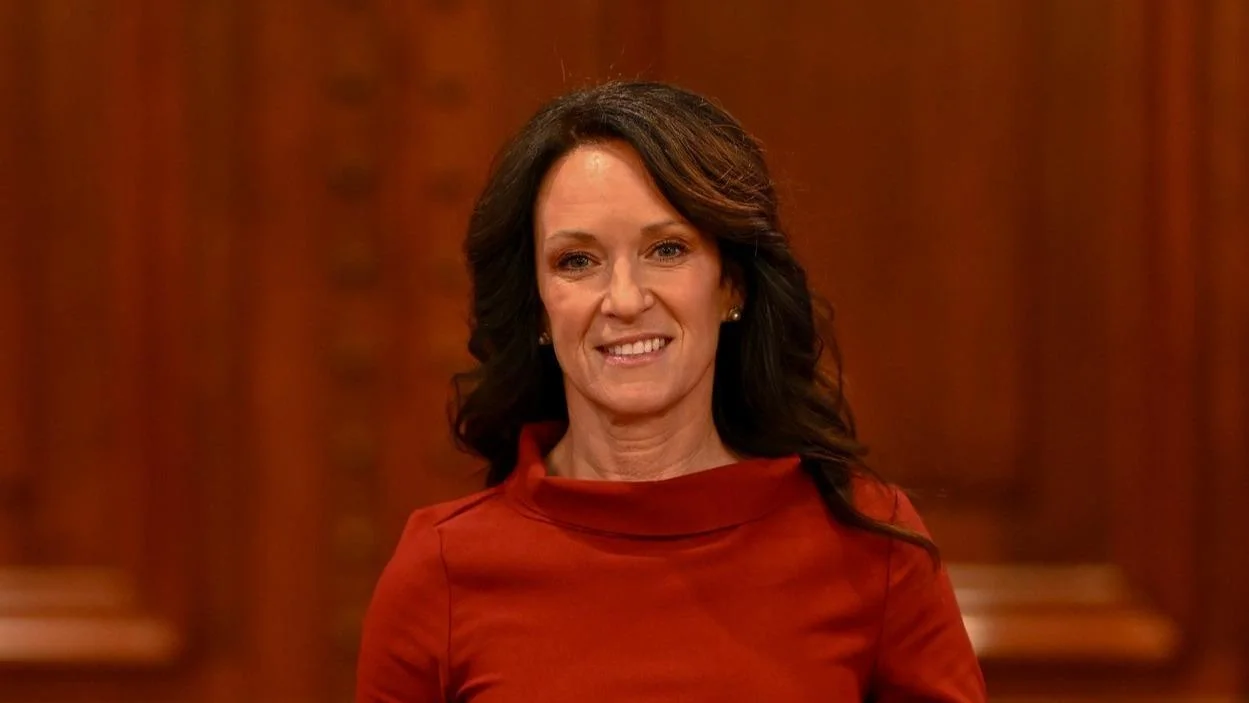
Rep. Jennifer Sanalitro (R-48th) cast a No vote on HB4966, legislation intended to enhance protections for youth in Department of Children and Family Services care, during the 104th General Assembly on May 31, 2026. The Illinois House approved the bill in a 75-40 vote.
For reference, the bill's summary identifies it as: "DCFS-SECURE ACT."
The details below reflect a clarification of the bill’s language based directly on its submitted text.
This law, which would take effect July 1, 2027, establishes the SECURE Act to provide greater protections for young people in DCFS custody, with a focus on out-of-state placements. The act directs case plans to specify the obligations of caregivers to ensure safe, nondiscriminatory, and supportive care based on each youth's individual needs and safeguarded attributes. It also prohibits the department from approving conversion therapy. Under the act, there will be required individualized assessments of health and risk, ongoing Illinois-based reviews for interstate placements involving youth 8 and older, and a default preference for placing such youth according to their choice, along with protection for health care legal in Illinois. Additional mandates include annual public reports, performance audits, enhanced court supervision, legal representation for certain youth, and the creation of a private right to sue DCFS or licensed providers for violations.
The record for HB4966 notes: 'Senate Committee Amendment No. 1 House Concurs.'
A Republican, Sanalitro was elected in 2023 to represent Illinois’ 48th House District, following former representative Terra Costa Howard.
Proposals in Illinois undergo a step-by-step legislative process, beginning with introduction in the House or Senate, committee discussions, floor debates, and voting in both chambers before being sent to the governor to be signed into law or vetoed. The General Assembly operates on a two-year cycle. While many bills are introduced each session, only a limited number ultimately pass all stages to become law.