Sanalitro backs SB3484, which updates Illinois vehicle registration, title and plate laws
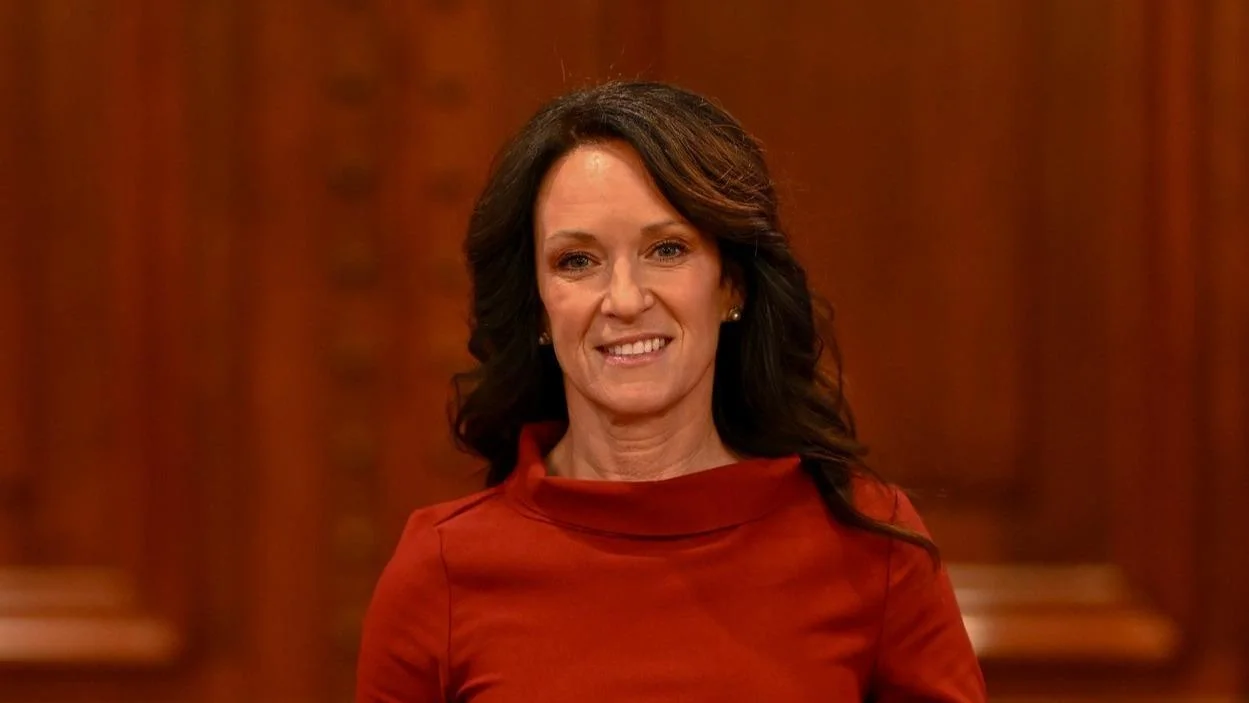
Rep. Jennifer Sanalitro (R-48th) supported SB3484 with a Yes vote during the 104th General Assembly on May 31, 2026, as recorded by the Illinois House. The legislation passed the House with an 84-16 vote.
According to the bill's official summary, it is described as "VEH CD-PLATES-REGISTRATION."
The following explanation is based on the bill's actual text and may offer added interpretation for clarity.
The bill revises several parts of the Illinois Vehicle Code to strengthen rules for registration, title and license plates, while refining certain fees and provisions for individuals with disabilities. It allows the secretary of state to alter license plate design and color, restricts registration eligibility to owners or lessees with Illinois addresses, and makes it illegal to alter, forge or counterfeit plates, physically or digitally. The bill permits the suspension or revocation of special plates for tow trucks or wreckers if used fraudulently or illegally, requires dealers or auctioneers to obtain an Illinois title when no assignable title is available, sets a $5 renewal fee for licenses and permits for 18-, 19- and 20-year-olds, changes fees for a second set of plates for certain disabled veterans, and requires the secretary to issue meter-exempt parking decals or devices to parents or legal guardians of disabled non-drivers under current disability plate or decal rules.
The official legislative record for SB3484 notes: 'Third Reading - Short Debate - Passed.'
Sanalitro, a Republican, began serving the 48th House District in 2023, succeeding former state representative Terra Costa Howard.
Legislation in Illinois must go through a comprehensive legislative process, starting with its introduction in either legislative chamber, progressing through committees, floor debates, and votes in both the House and Senate, before reaching the governor, who may sign or veto the bill. The General Assembly's biennial sessions typically see thousands of bills introduced, but only a portion become law by completing all required steps.