Glowiak Hilton backs SB3798 to boost 9-1-1 behavioral health response in Illinois Senate
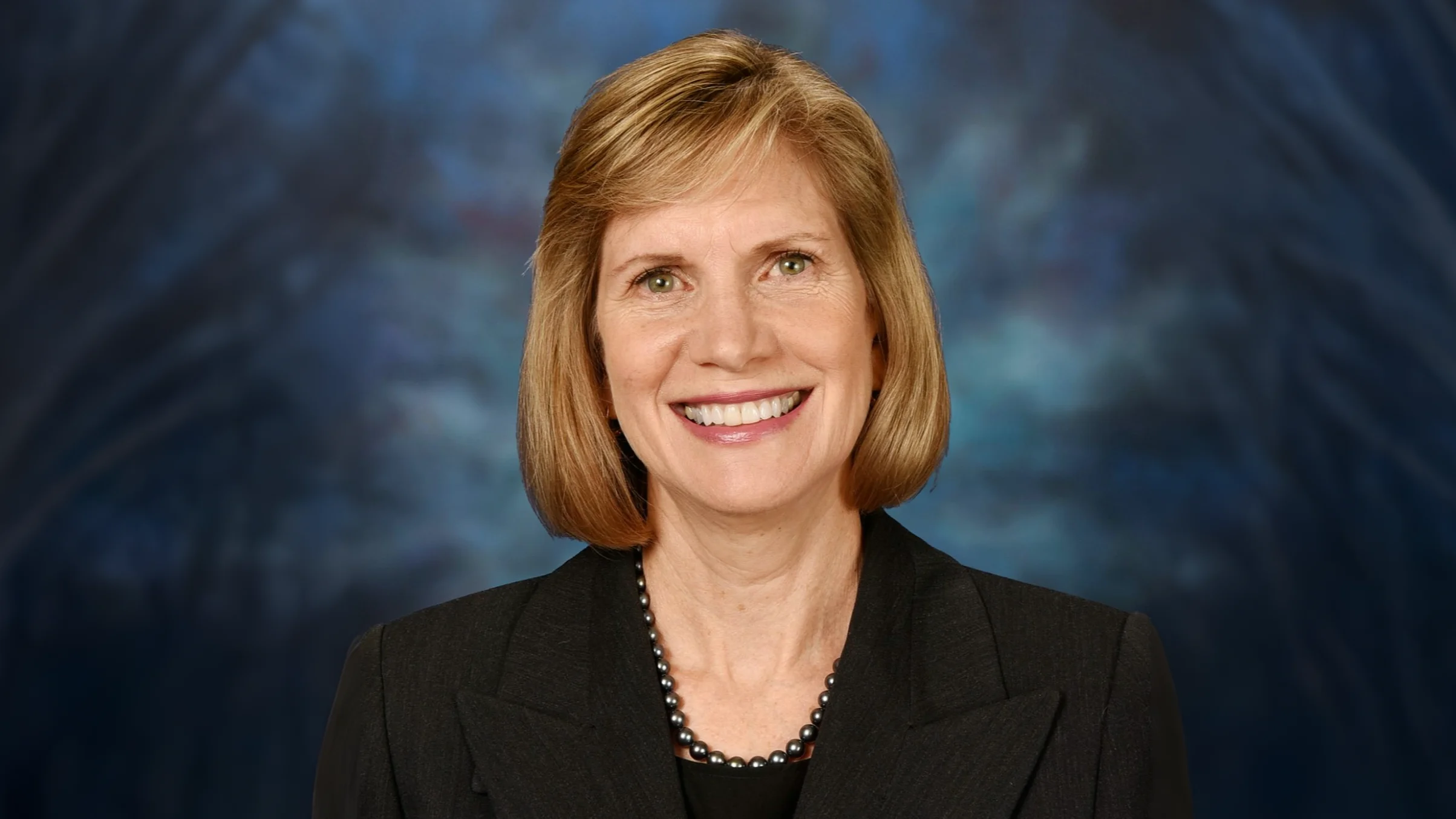
During the 104th General Assembly on May 31, 2026, Sen. Suzy Glowiak Hilton (D-23rd) voted Yes on SB3798, which seeks to enhance the behavioral health crisis response linked to 9-1-1 calls, the Illinois Senate reported. The measure passed the Senate with a unanimous 58-0 vote.
The bill summary states: "MENTAL HEALTH 9-1-1 CALLS."
Below is an overview rooted in the bill's actual text, including interpretive clarifications where appropriate.
This legislation aims to enhance Illinois’ system for responding to behavioral health crises. It mandates that 9-1-1 centers screen specific law enforcement calls for behavioral health concerns, use statewide emergency medical dispatch guidelines, and refer applicable cases to mobile mental health teams or the 9-8-8 crisis hotline when suitable alternatives to law enforcement arise. Starting July 1, 2027, all public safety answering points will be required to comply with Community Emergency Services and Support Act rules, overseen by the Statewide 9-1-1 Administrator in collaboration with the Department of Human Services. The measure also broadens regional planning obligations, formalizes requirements for data collection and training, and revises Crisis Intervention Team training for police to focus more on community-based solutions.
The official legislative activity for SB3798 was recorded as 'House Floor Amendment No. 1 Senate Concurs'.
Hilton is a 1983 graduate of Illinois Institute of Technology, holding a BA.
A member of the Democratic party, Hilton was first elected to the Illinois Senate in 2023, taking over from former state senator Diane Pappas in representing the 23rd Senate District.
Legislation in Illinois goes through a multi-stage process involving introduction in either legislative chamber, committee evaluation, debate and voting in both the House and Senate, and, finally, the governor’s decision to sign or veto the bill. The General Assembly’s sessions run on a two-year cycle. While numerous bills are presented each session, only a small percentage reach the governor to become law.