Glowiak Hilton backs SB3049 to restructure, broaden newborn screening advisory panel
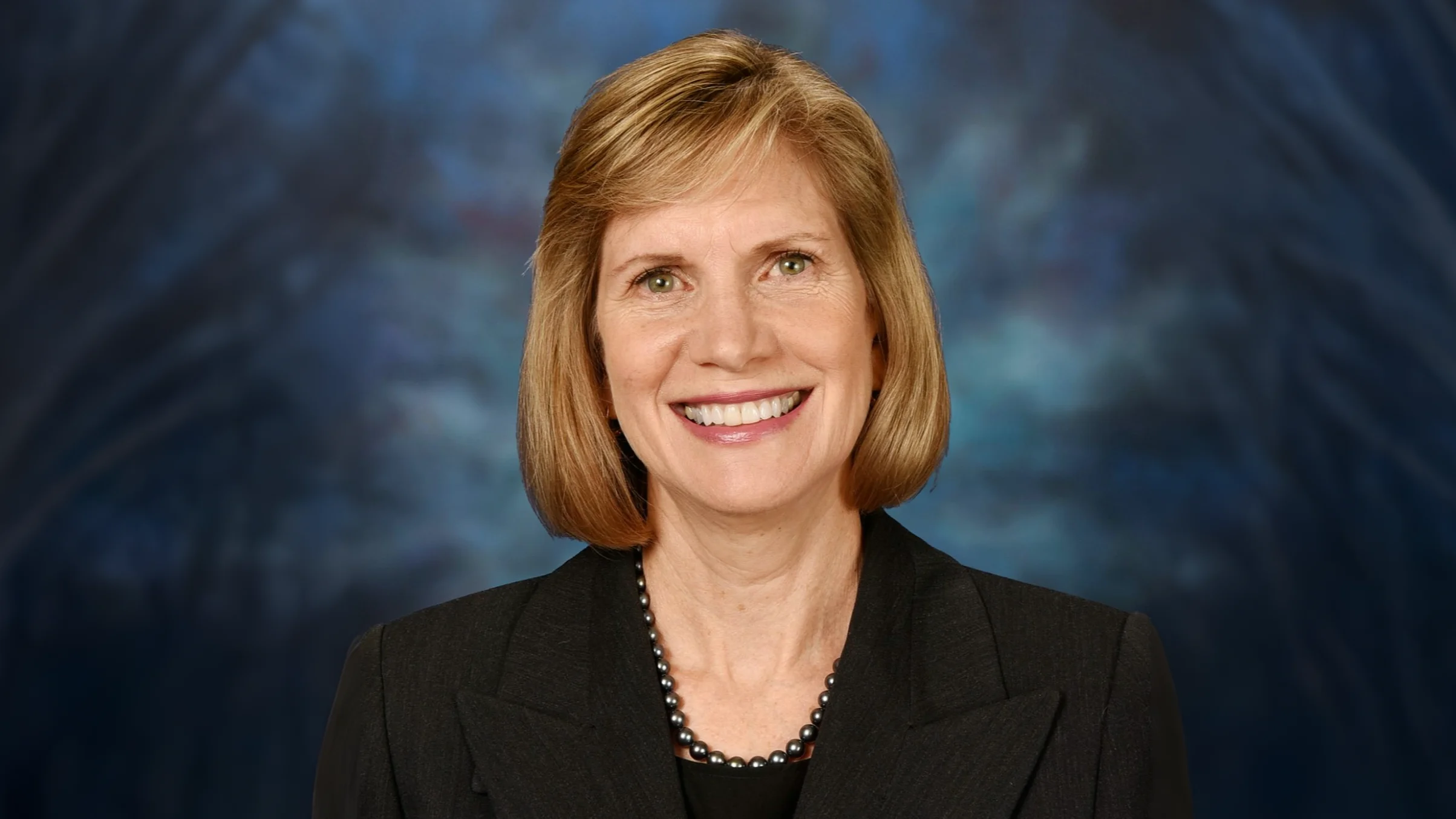
Sen. Suzy Glowiak Hilton (D-23rd) cast a Yes vote on SB3049, legislation to rename and broaden Illinois' newborn screening advisory committee, during the 104th General Assembly on May 31, 2026, according to the Illinois Senate; the Senate approved the measure 54-0.
The legislation's official text identifies it as "NEWBORN METABOLIC SCREENING."
The summary below offers an analysis of the actual bill language and may incorporate interpretation to help clarify its provisions.
Fundamentally, the bill changes the name of the Genetic and Metabolic Diseases Advisory Committee to the Universal Newborn Screening Advisory Committee and increases its responsibilities for guiding Illinois’ newborn screening program. Under the law, the committee will be required to meet every quarter beginning July 1, 2026, conduct regular reviews of potential screening conditions based on federal or treatment-focused standards, and closely consider certain rare diseases, among them specific mucopolysaccharidoses and Batten disease type 2, for possible inclusion. Provisions include timelines for reviews, state action, rollout in laboratories, yearly public reports, and updates to existing laws like the Rare Disease Commission Act. The law goes into effect immediately.
The legislative action recorded for SB3049 was 'House Committee Amendment No. 1 Senate Concurs'.
Hilton holds a BA from Illinois Institute of Technology, graduating in 1983.
A Democrat, Hilton won election in 2023 to the Illinois State Senate from the 23rd District, succeeding former senator Diane Pappas.
In Illinois, proposed laws follow a structured legislative process that opens in either chamber, proceeds to committee review, then to full chamber debates and votes, before moving to the governor for signature or veto. The General Assembly operates on a two-year cycle with thousands of bills introduced during each period, but only a small portion make it all the way into law.