Young Bailey supporter Head warns Illinois Is losing its next generation: ‘It’s expensive to live here now’
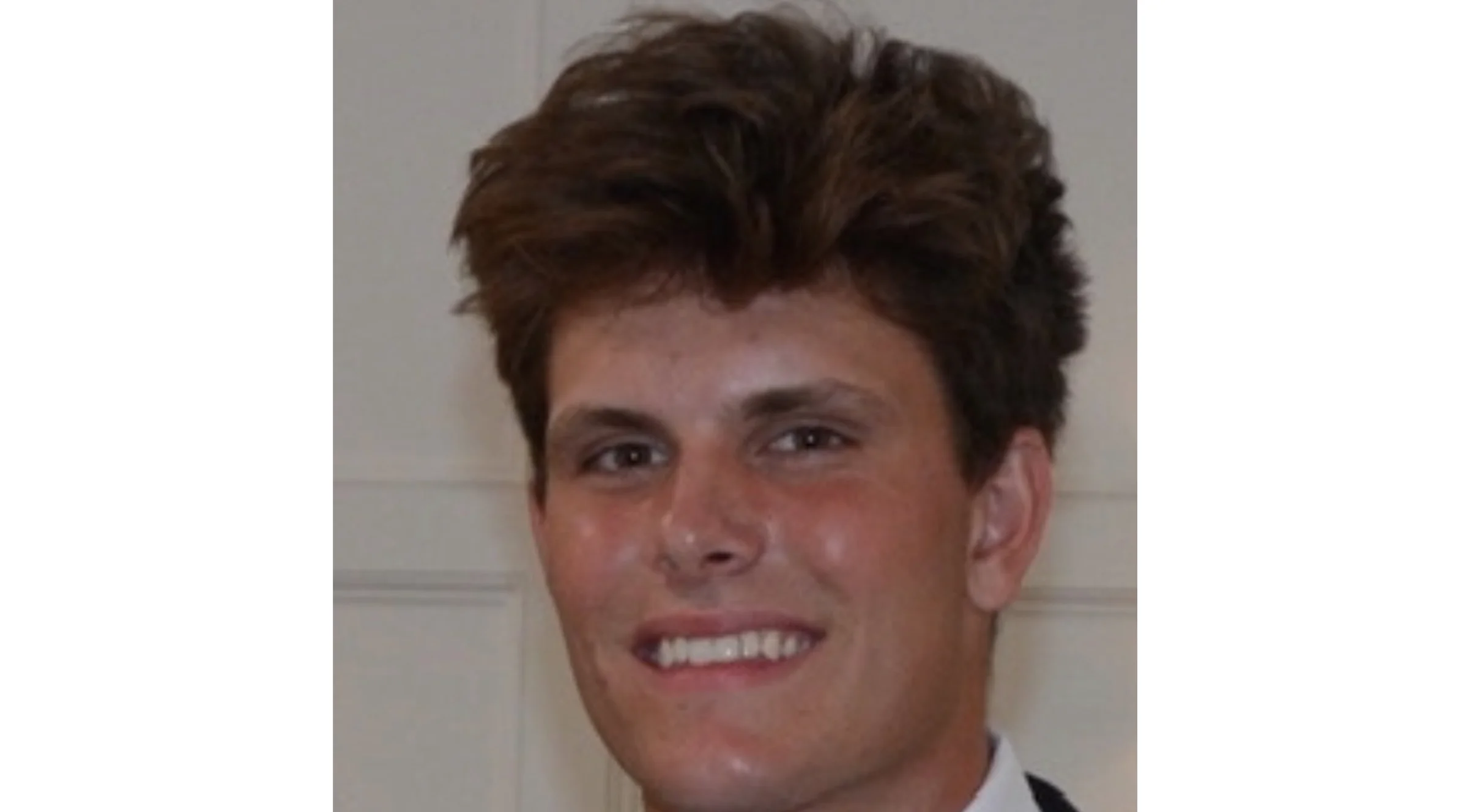
24-year-old Hinsdale resident Tristan Head is sounding the alarm over Illinois’ affordability crisis, warning that rising taxes, soaring costs and safety concerns are threatening the state’s quality of life.
Head, who said he was motivated to join Republican gubernatorial candidate Darren Bailey’s 2026 campaign over concerns about the state’s future, is among a new generation of Republican activists becoming involved in Illinois politics.
“We're looking to do this on this campaign to really, Darren Bailey’s main focus is affordability, and it's really been seen that it's expensive to live here now, especially the city with not as many jobs and opportunities,” Head said in a video provided to the DuPage Policy Journal. “With taxes being too high, utility bills climbing, and just families and young people really not being able to afford to live here anymore.”
He said reversing negative affordability trends is essential to restoring Chicago’s appeal as a place where young people can build careers and raise families.
“I really want young people like me to want to go to Chicago and be able to get a job there and be able to raise a family because that's what I feel like matters and what made Chicago great is the affordability aspect of being able to live there,” Head said. “No other city really offers that, and that's why I'm supporting Darren Bailey, and I can't wait to help more and do more for this campaign, and I'm just so excited.”
He said he supports Bailey’s proposals to cap property tax growth, reduce energy costs and audit state spending to improve accountability.
Head said he believes those measures could help address financial pressures facing residents.
“He's looking to cap property taxes so they don't have to go past your mortgage,” Head said. “He's also looking to take on energy law, driving up utility bills and audit where the money really goes so he could stop the corruption that is really seen a lot in the state, especially in the current administration, and really looking to put that money to good use and actually help the people.”
Head’s comments come a year after the Illinois Freedom Caucus raised concerns over taxpayer-funded nonprofit spending, citing an investigative review that identified more than $1 billion in grants and alleging that politically-aligned groups received substantial state funding with limited transparency and oversight. The lawmakers called for audits and reforms to ensure taxpayer dollars are directed toward programs with measurable public benefits.
Head also cited public safety as an issue motivating his involvement, saying Bailey’s focus on crime and neighborhood safety aligns with his priorities.
“He really believes also that, you know, every neighborhood and every kid in Chicago deserves to be safe with all the crime and things that have been going on,” Head said. “He really is looking to help that.”
Head made the remarks following a violent Fourth of July weekend in Chicago that left five people dead and 23 others injured.
Head is among a growing number of Gen Z voters moving right, with recent polling as reported by Yale University showing voters ages 18 to 21 favoring Republican candidates by nearly 12 points in some surveys.
Head’s involvement in the Bailey-Del Mar campaign comes as the Republican ticket expanded its summer internship program in May aimed at recruiting college students, recent high school graduates and young adults for campaign roles, in areas including grassroots outreach, communications, social media, events, data and office support.
Concerned Parents of Illinois founder Kristina McCloy is leading the internship effort in DuPage County and said the program is designed to provide political experience and mentorship for young conservatives.
“In the 2024 election, Republicans saw their strongest performance with voters under 30 in any presidential race since 2004, with young voters shifting 9 points more Republican than in 2020,” McCloy told the DuPage Policy Journal in May. “That momentum is continuing here in Illinois, where we are seeing a growing number of college students and recent high school graduates flocking to the conservative movement, energized by the opportunity to help shape our state’s future.”
McCloy said the program is part of a broader leadership development strategy.
“This is far more than an internship, it’s a mentorship pipeline for the next generation of conservative leadership in Illinois, and we’re proud to see so many young people stepping up to be part of the fight,” McCloy said.
Bailey and his lieutenant governor running mate, Aaron Del Mar, are challenging incumbent Gov. J.B. Pritzker in the Nov. 3 general election.
Bailey, a former state senator and farmer, won the Republican nomination in March and will face Pritzker for a rematch after losing the 2022 governor’s race, when Pritzker received 54.9% of the vote compared with Bailey’s 42.4%.
Bailey’s campaign has emphasized taxes, government spending, crime and population loss while seeking to expand Republican support beyond its traditional downstate base. Del Mar, a former Cook County Republican Party chairman and Illinois Republican Party co-chair, is viewed by supporters as bringing suburban political experience to the ticket.
The campaign’s focus on affordability comes amid ongoing debate over Illinois’ tax burden.
Illinois has among the highest taxes in the nation.
An Illinois Policy analysis reported that Illinois tied with New Jersey for the highest effective residential property tax rate in 2024, with an average rate of 1.88% of home value compared with the national average of 0.86%. The analysis estimated an average Illinois property tax bill of about $5,452 based on the state median home value.
A WalletHub report found Illinois residents are projected to face the nation’s highest combined state and local tax burden in 2025, with a household earning the national median income expected to pay about $13,099 in state and local taxes, or more than 16.5% of income.
Illinois’ fiscal debate has continued with the state’s fiscal year 2027 budget, a $55.9 billion spending plan signed by Pritzker.
The budget includes six to eight new tax hikes projected to generate between $815 million and $1.4 billion through tax increases, fees and fund transfers.
Measures include changes affecting corporate net operating loss deductions, social media companies, digital assets, small-business stock gains, fantasy sports operators, and an advertising services tax targeting digital advertising.
Critics also point to broader fiscal concerns, noting that since taking office in 2019, and prior to the 2027 budget’s additional tax and fee increases, Pritzker had approved 57 tax and fee hikes totaling an estimated $77 billion, with the median household paying roughly $1,400 more per year than in 2018.