Yang Rohr backs SB3113 to modernize credit union and digital asset rules
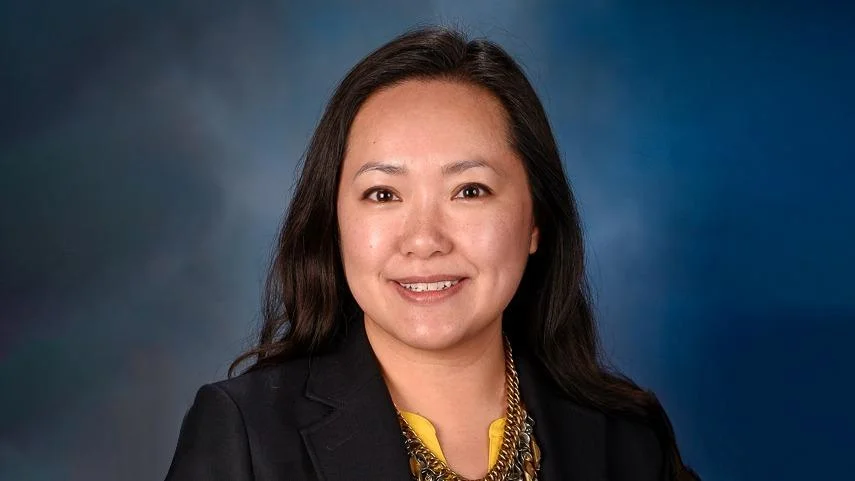
Rep. Janet Yang Rohr (D-41st) supported SB3113, legislation aimed at updating credit union agent and digital asset regulations, during the 104th General Assembly on May 31, 2026, with the measure passing the House by a 112-2 vote, according to the Illinois House.
The official bill description reads: "CREDIT UNIONS-VARIOUS."
Below is a summary of the main points of the bill, based on its text and interpreted for clarity.
This legislation amends the Illinois Credit Union Act to permit a credit union’s registered agent office to differ from its principal business address and establishes clearer requirements for the recording, signing, and approving of board and membership meeting minutes. It enables credit unions to facilitate or provide digital asset services to members via authorized third parties, contingent on due diligence, written agreements, and risk disclosure requirements. Additionally, it authorizes credit unions to offer fee-based motor vehicle debt cancellation products by classifying them as loan-related rather than insurance. Permissible investments are expanded to cover commercial mortgage-related securities and collateralized mortgage obligations that meet designated federal criteria. The legislation is effective immediately.
The official record for SB3113 was 'Third Reading - Short Debate - Passed'.
Rohr holds a BA from Northwestern University (2002) and earned another degree from the University of Chicago Booth School of Business in 2010.
Rohr, a Democrat, joined the Illinois State House in 2021 as the representative for the 41st District, succeeding Grant Wehrli.
In Illinois, bills move through a multi-step legislative process that starts with introduction in either chamber, proceeds through committee evaluation, floor discussions, and votes in both the House and Senate, and ultimately is sent to the governor for approval or veto. The General Assembly meets on a biennial basis, and while several thousand bills are introduced each session, only a limited number are enacted.