Sen. Seth Lewis supports SB3777 to broaden civil rights protections in Illinois Senate vote
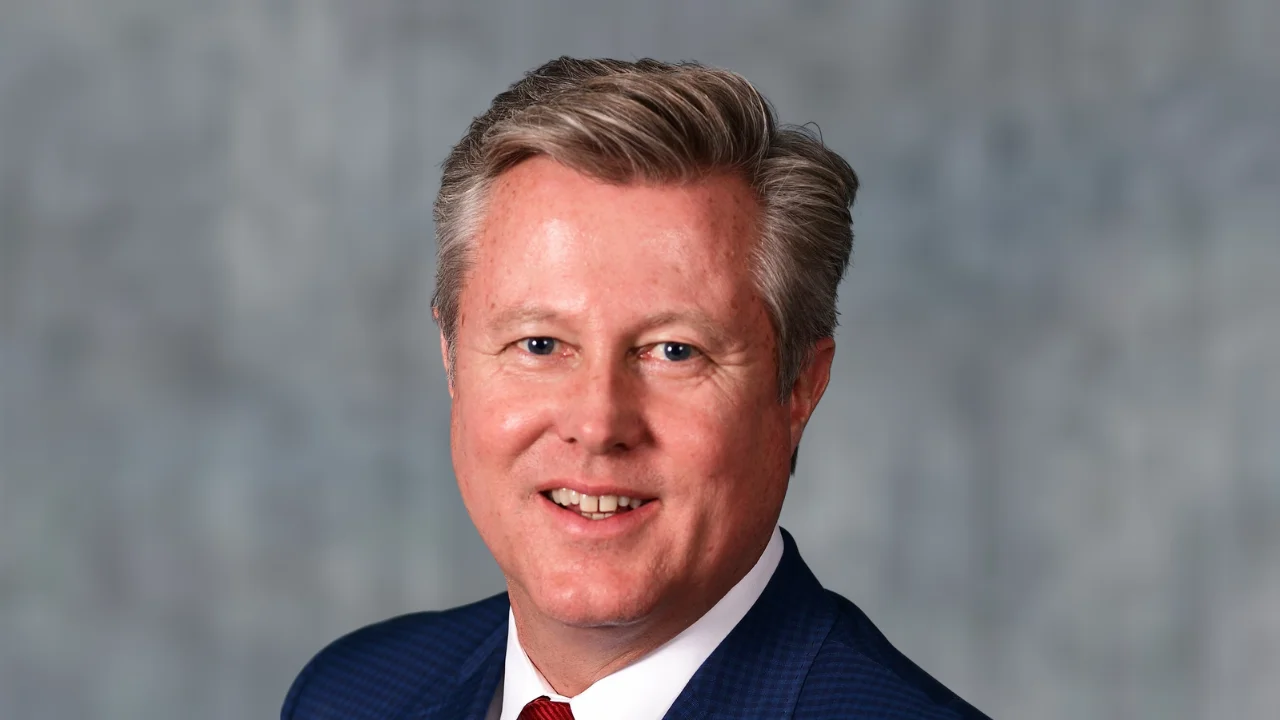
Sen. Seth Lewis (R-24th) cast his vote in favor of SB3777, legislation designed to broaden civil rights protections against discrimination. The measure, considered by the 104th General Assembly on May 31, 2026, was approved in the Illinois Senate with a 41-14 tally, according to the Illinois Senate.
The official text of the bill summarizes the measure as: "HUMAN RIGHTS-DISPARTE IMPACT."
The following explanation is derived from the bill's own language and offers interpretation intended to explain key provisions.
Fundamentally, the Civil Rights Safeguard Act amends the Illinois Human Rights Act to mandate a liberal construction of its anti-discrimination rules and a narrow interpretation of exemptions to discourage discriminatory practices. It modifies the definition of “unlawful discrimination” to include both intentional discrimination and those practices that cause discriminatory effects, whether based on an individual’s actual or perceived protected characteristics. The bill clarifies the meaning of “criteria or methods” and establishes that it is a civil rights violation in areas such as employment, lending, credit card issuance, and public accommodations to use policies or procedures that have a disparate impact, unless required for a substantial, legitimate, and nondiscriminatory interest and there is not a less discriminatory way to achieve the goal.
For SB3777, the action recorded was 'House Floor Amendment No. 1 Senate Concurs.'
Lewis earned a BS degree from the University of Iowa in 1991.
A member of the Republican Party, Lewis began serving in the Illinois State Senate in 2023 for the 24th Senate District, taking over from former state senator Suzy Glowiak.
The legislative process in Illinois involves a series of steps such as introduction in the House or Senate, committee review, debate and voting in each chamber, and then presentation to the governor for signature or veto. Held every two years, the General Assembly reviews thousands of proposed bills each session, but only a select number complete the process to become law.