Rep. Janet Yang Rohr supports SB3211 to update teledentistry standards with unanimous House vote
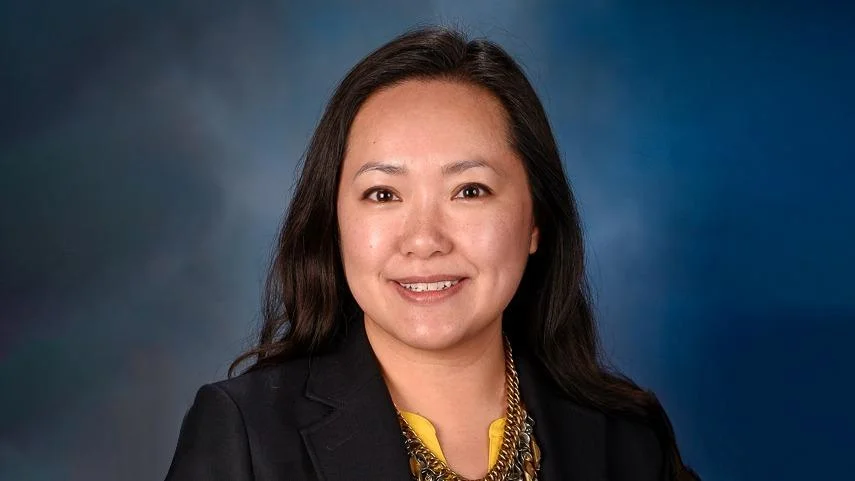
Rep. Janet Yang Rohr (D-41st) gave her support to SB3211, which updates regulations for teledentistry exams and patient requirements, during the 104th General Assembly on May 31, 2026. As reported by the Illinois House, the bill passed with a 116-0 vote.
According to the official bill text, the summary states: "TELEDENTISTRY EXAMINATIONS."
This overview reflects an analysis based on the language of the bill and may interpret provisions for clarity.
Essentially, the bill amends the Illinois Dental Practice Act’s teledentistry provisions by permitting initial exams for new patients—excluding those seeking orthodontic treatment—to take place via teledentistry if the dentist establishes a legitimate dentist-patient relationship by reviewing the patient’s medical and dental history, confirming their identity, and verifying the patient is in-state. Orthodontic initial visits require in-person exams, and an in-person exam is mandatory before delivering or authorizing any irreversible dental procedure. Dentists must also strongly encourage all patients with ongoing relationships to have an in-person exam at least once a year.
The bill’s official action for SB3211 read: 'Third Reading - Short Debate - Passed.'
Rohr earned her BA from Northwestern University in 2002 and later received an advanced degree from the University of Chicago Booth School of Business in 2010.
Having entered office in 2021, Rohr, a Democrat, represents Illinois’ 41st House District, succeeding former representative Grant Wehrli.
In Illinois, bills are subject to a multi-stage legislative pathway starting with their introduction in either legislative chamber, proceeding through committees, floor debates, and votes in both the House and Senate, before finally reaching the governor, who may approve or veto. The General Assembly operates on a two-year cycle, with the majority of introduced bills not advancing to become law each session.