Janet Yang Rohr supports HB5021, advancing changes to Illinois Ginseng Harvesting Act
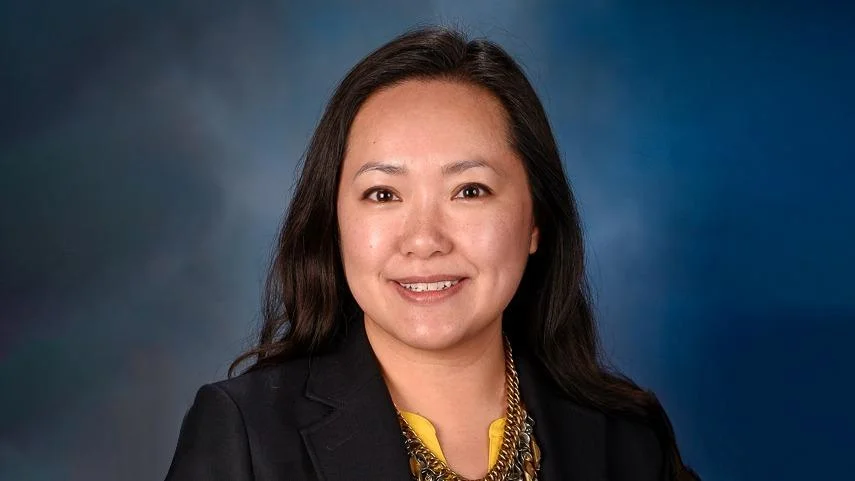
Rep. Janet Yang Rohr (D-41st) cast her vote in favor of HB5021—legislation that updates the Ginseng Harvesting Act—during the 104th General Assembly on May 31, 2026, the Illinois House reported. The bill was adopted unanimously with a 117-0 vote.
The official bill summary describes it as: "GINSENG HARVESTING-FORFEITURE."
The analysis below draws on the actual bill text, with interpretation provided for clarity on its contents.
Primarily, the legislation amends the Ginseng Harvesting Act by broadening relevant definitions and distinguishing between wild and cultivated ginseng. It prohibits not only unlawful harvesting and trespassing to gather ginseng, but also attempts to violate these provisions. License holders—whether for harvest, cultivation or dealership—must be prepared to immediately present their license upon request to conservation officers or law enforcement. The measure allows the Department of Natural Resources to suspend ginseng-related licenses for rule-defined periods and authorizes authorities to seize and seek forfeiture through the courts of tools, vehicles, and other equipment involved or attempted to be used in violations. Proceeds from any such sales would go to the Wildlife and Fish Fund. The bill aligns these seizures with the Seizure and Forfeiture Reporting Act and eliminates multiple outdated sections.
The legislative action on HB5021 was 'Senate Floor Amendment No. 2 House Concurs'.
Yang Rohr received a BA from Northwestern University in 2002 and later earned an MBA from the University of Chicago Booth School of Business in 2010.
Yang Rohr, a member of the Democratic Party, began representing Illinois' 41st House District in 2021, succeeding Grant Wehrli.
Illinois bills move through a multi-step legislative process that includes initial introduction, committee evaluation, floor discussion, and votes in both chambers, before proceeding to the governor for a signature or possible veto. The General Assembly meets every two years and reviews thousands of bills per session, with only a small proportion ultimately being enacted.