DeLaRosa supports SB3484 update to Illinois vehicle registration and license plate laws
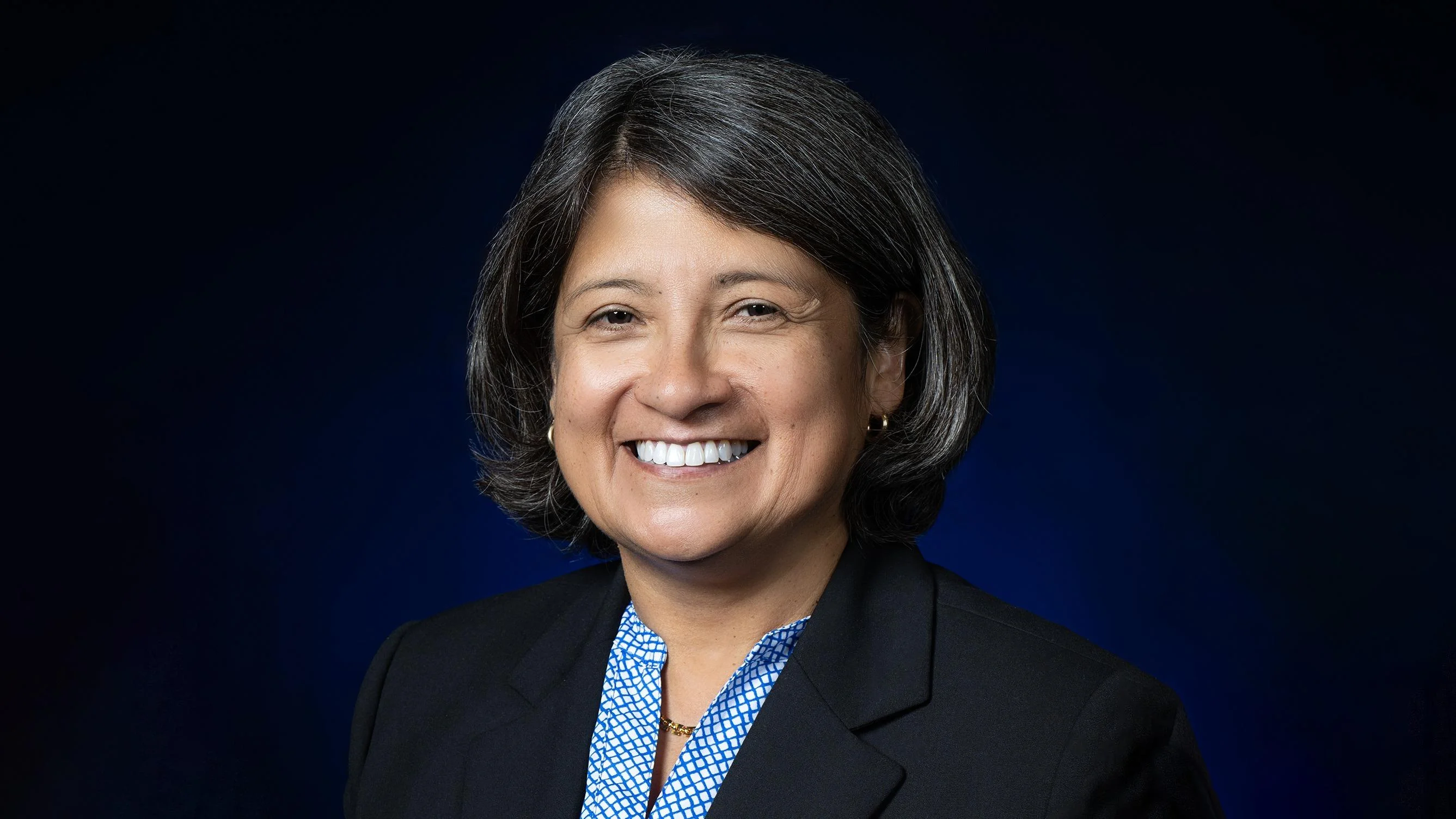
Rep. Margaret A. DeLaRosa (D-42nd) voted in favor of SB3484, a legislative proposal amending vehicle registration and license plate rules under the Illinois Vehicle Code, in the 104th General Assembly on May 31, 2026. According to the Illinois House, the House passed the measure by an 84-16 margin.
As outlined in the official text of the bill: "VEH CD-PLATES-REGISTRATION."
The following summary presents the main points of the bill and includes interpretation intended to clarify its substance.
Key changes in SB3484 include stricter requirements for registration, title, and plates, as well as changes to some fees and disability access rules. The bill grants the secretary of state increased authority over plate design and color, restricts registration to owners or lessees with Illinois addresses, and reinforces prohibitions against altering or counterfeiting physical or electronic plates. It allows the secretary to revoke special plates for tow trucks and wreckers if used fraudulently. The legislation requires auctioneers or dealers to secure an Illinois title before assigning title when no assignable title exists. It sets a $5 license and permit renewal fee for residents aged 18 to 20, updates fees for additional plates for veterans with disabilities, and instructs the secretary to provide meter-exempt parking decals or devices to parents or guardians of non-driving people with disabilities under current law.
The official action recorded for SB3484 was 'Third Reading - Short Debate - Passed'.
DeLaRosa earned her BS from DePaul University.
A member of the Democratic Party, DeLaRosa was elected to the Illinois House in 2025 representing the 42nd District, succeeding Terra Costa Howard.
Illinois legislation advances through a multi-step legislative process that typically involves introduction in a chamber, committee review, floor debate, votes in both chambers, and presentation to the governor for approval or veto. The General Assembly follows a biennial schedule; thousands of bills are filed each session, but only a limited number are enacted.