Blair-Sherlock supports SB3070, backing option to foreign language for Illinois students
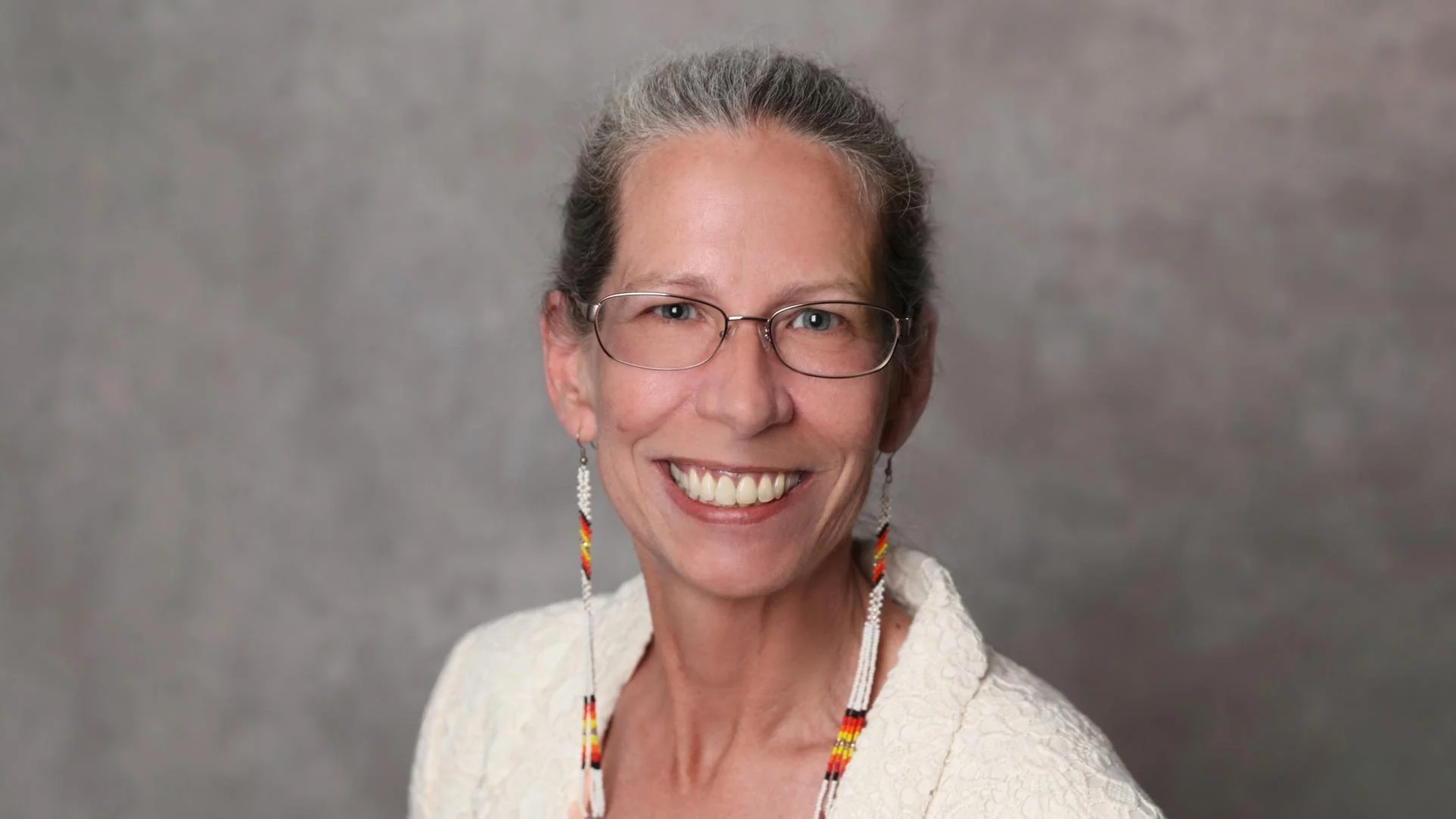
Rep. Diane Blair-Sherlock (D-46th) voted in favor of SB3070, legislation that presents an alternative to traditional foreign language study for students in Illinois, during the 104th General Assembly session on May 31, 2026. The Illinois House reported the bill passed with a unanimous vote of 107-0.
According to the bill's official description, the proposal is labeled: "EDUC-FOREIGN LANG ALTERNATIVE."
The following summary is guided by the bill's formal language and may be interpreted for clarity.
This legislation modifies Illinois' high school diploma and public university admission criteria to allow an option in place of foreign language study. Starting with students entering 9th grade in the 2028-29 academic year, they must complete either two years of foreign language instruction (which includes American Sign Language) or at least two years of approved career-focused coursework meeting requirements for a College and Career Pathway Endorsement. Additionally, public universities would be prohibited from requiring foreign language coursework for graduates of Illinois high schools unless completion of the endorsement is also recognized as an alternative. The law is effective upon enactment.
The official record for SB3070 notes its status as 'Third Reading - Short Debate - Passed'.
Blair-Sherlock earned an associate degree from College of DuPage in 1985, a bachelor’s from Northern Illinois University in 1987, and a JD from John Marshall Law School in 1993.
A member of the Democratic Party, Blair-Sherlock was elected to the Illinois State House in 2023 for the 46th District, succeeding previous representative Deborah Conroy.
Bills in Illinois must navigate a multi-step legislative process, beginning with introduction in either chamber, advancing to committee examination, followed by floor debates and votes in both the House and Senate. Bills then go to the governor, who may sign or veto them. The General Assembly functions on a biennial timeline, and while thousands of proposals are introduced each session, only a proportion ultimately become law.