DeLaRosa backs HB3393 to alter court testimony procedures for some victims
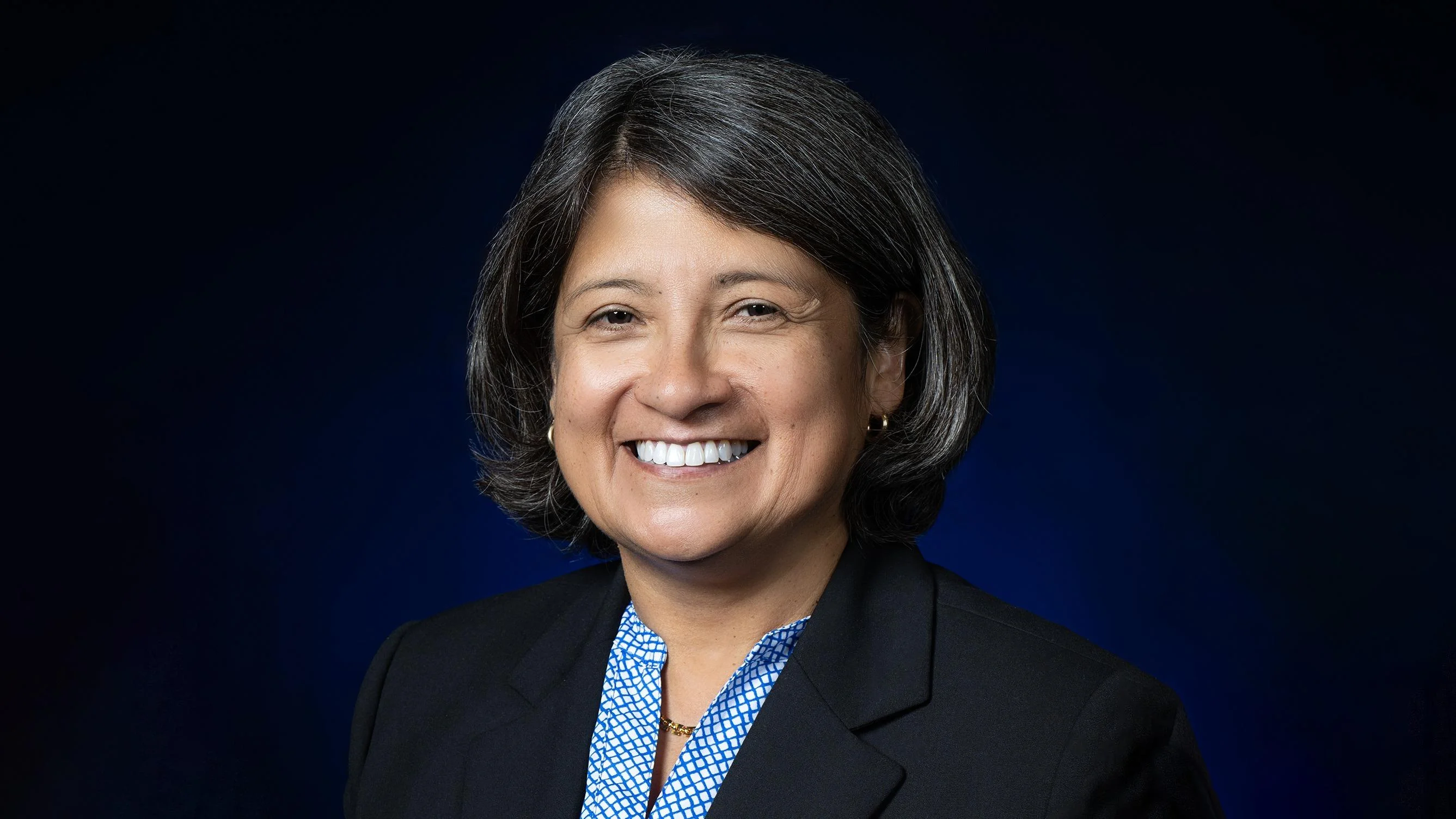
Rep. Margaret A. DeLaRosa (D-42nd) supported HB3393 during the 104th General Assembly session on May 31, 2026, casting a Yes vote on a measure that alters court testimony rules for certain victims. The Illinois House reported the bill passed unanimously, 115-0.
The bill summary specifies: "CRIM PRO--SPEEDY TRIAL TOLL."
Our overview below is drawn from the actual text, with summary explanations to outline the main changes.
This legislation revises the Illinois Code of Criminal Procedure, adjusting how the testimony of select victims is handled in certain cases. The measure eliminates the presumption that a child victim under age 13 should testify outside the courtroom by closed circuit television, granting courts discretion to order this option if a victim under 18 or an individual with specified disabilities would experience severe emotional distress testifying in person. If such a motion is rejected, prosecutors can ask for a 30-day delay in speedy trial requirements to revisit the motion. The bill outlines who may attend during these testimonies, provides for electronic communication by defendants, and requires that the process not disadvantage the accused. These provisions take effect in cases starting after the effective date of the law.
HB3393's recorded legislative action was: 'Senate Committee Amendment No. 1 House Concurs.'
DeLaRosa is a DePaul University graduate, holding a BS degree.
Elected in 2025, DeLaRosa, a Democrat, succeeded Terra Costa Howard as representative for the Illinois State House's 42nd District.
Legislation in Illinois must go through a multi-step process, starting with its introduction, proceeding through committee consideration and floor debate, and advancing to votes in both legislative chambers before heading to the governor. The General Assembly functions on a biennial calendar; each session sees thousands of bills introduced, but only a limited number are ultimately enacted into law.