Villa backs SB3777 to strengthen anti-discrimination protections under Illinois Human Rights Act
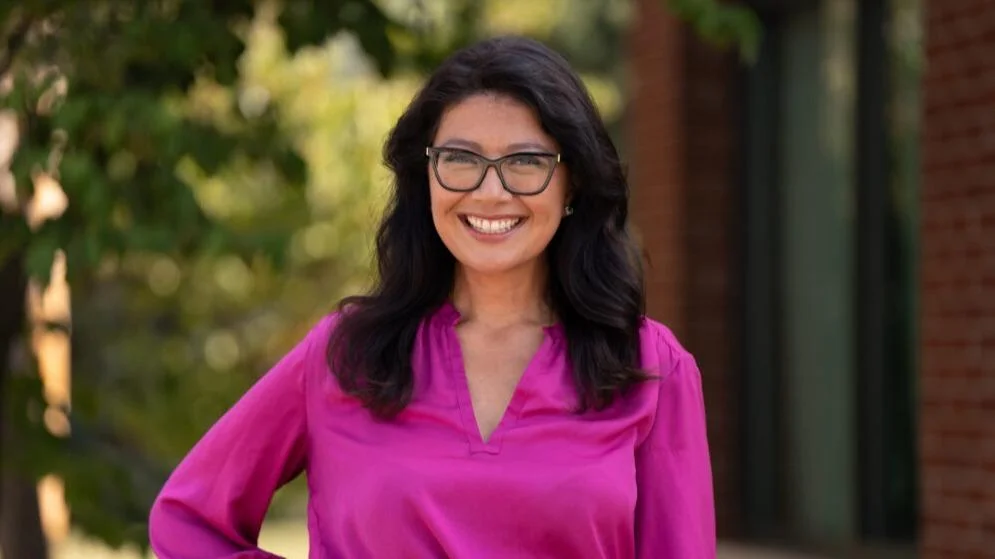
Sen. Karina Villa (D-25th) cast a Yes vote on SB3777, legislation designed to reinforce protections against discrimination under the Illinois Human Rights Act, during the 104th General Assembly on May 31, 2026, the Illinois Senate reports; the Senate approved the bill 41-14.
As noted in the bill's official language, it is summarized as: "HUMAN RIGHTS-DISPARTE IMPACT."
The following explanation is based on direct review and interpretation of the actual bill text to clarify its main objectives.
The measure, known as the Civil Rights Safeguard Act, revises the Illinois Human Rights Act to ensure its provisions are interpreted in a broad manner and its exemptions construe narrowly to help prevent discrimination. The legislation extends the scope of “unlawful discrimination” to cover both intentional actions and those that have a disparate impact based on an individual’s real or perceived protected traits. It clarifies the meaning of “criteria or methods” and establishes that it is a civil rights violation in employment, lending, credit card practices and public accommodations to apply standards or policies that result in discriminatory effects, except where such policies are essential to a substantial, legitimate, nondiscriminatory purpose and no less discriminatory option exists.
The official action recorded for SB3777 was 'House Floor Amendment No. 1 Senate Concurs.'
Villa, a Democrat, began representing Illinois’ 25th Senate District in 2021, succeeding former senator Jim Oberweis.
Illinois legislation advances through a comprehensive multi-step process that begins with introduction in either legislative chamber, continues through committee consideration and floor debate, and requires approval by both the House and Senate before proceeding to the governor for final action. The General Assembly meets on a biennial basis, and only a portion of the numerous bills proposed each session successfully complete the process to become state law.