Senator Seth Lewis voices concerns over governor's record-high $56B Illinois spending plan
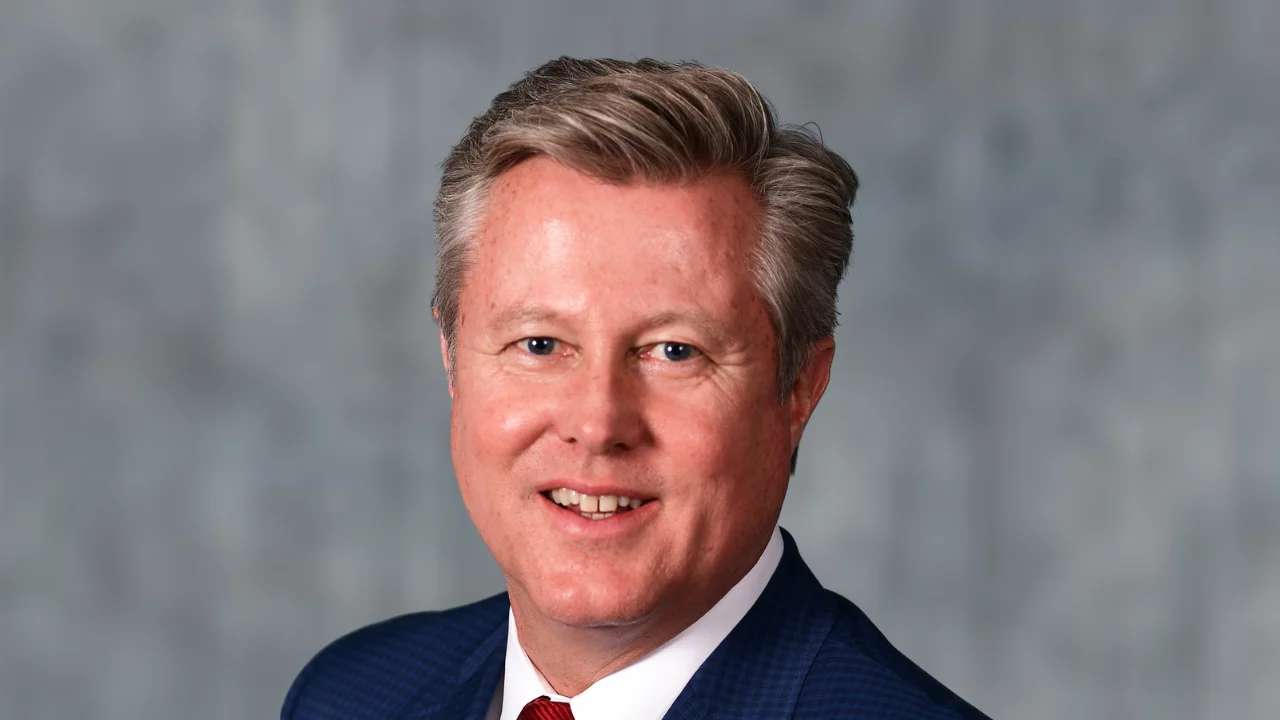
Governor J.B. Pritzker has introduced a $56 billion spending plan for Illinois' upcoming fiscal year, set to begin on July 1, 2026. State Senator Seth Lewis, a Republican and one of the Senate Republicans' budgeteers, acknowledged the complexity involved in assembling such a proposal but expressed concerns about the plan's reliance on tax and fee increases tied to education funding. He also criticized what he described as ongoing underfunding for services supporting residents with intellectual and developmental disabilities.
Lewis stated, "I continue to hear from families and small business owners who are concerned about the rising cost of living, property taxes, and the state’s long-term economic competitiveness. With spending having grown nearly 40% since Governor Pritzker took office in 2019, I believe it is important that we proceed thoughtfully and look for sustainable ways to align spending with existing, recurring revenues."
He emphasized the need for oversight and accountability in state programs: "Demonstrating that taxpayer dollars are managed effectively builds public trust and makes it easier to come together around responsible investments where they are most needed." Lewis added his commitment to working collaboratively during budget negotiations: "Illinois residents expect collaboration, fiscal responsibility, and practical solutions, and I am confident we can deliver a balanced budget that reflects those shared values."
After Governor Pritzker’s speech outlining his budget priorities, Lewis addressed members of the Springfield press corps.
Later in the week, Lewis appeared on WTTW’s Chicago Tonight as part of a bipartisan panel discussing the proposed budget. During this appearance he reiterated concerns about unnecessary spending: "In my opinion, the Administration needed to go line by line through the current year’s budget and find areas where costs could be cut. That did not happen. I believe there is fluff in the budget that could and should be removed." He cited an example involving funds earmarked for a sports complex in House Speaker Chris Welch's district while arguing that requests for new revenue should focus more directly on essential services like education.
Addressing political blame regarding Illinois’ financial situation, Lewis said: "Former Governor Rauner left office nearly eight years ago, and this is Governor Pritzker’s eighth budget. Efforts to blame Bruce Rauner ring hollow. After eight years, this is JB Pritzker’s Illinois. He must own the financial problems we now face."
Outside of legislative work on state finances, Lewis highlighted his community engagement efforts within Illinois’ 24th District—an area he has represented since being elected to the Illinois State Senate in 2023 after replacing Suzy Glowiak (https://www.ilga.gov/senate/Senator.asp?MemberID=3172). Through his Valentines for Seniors Card Collection Program, he delivered thousands of Valentine’s Day cards created by local schools, churches, and residents to seniors across his district.
"Valentine’s Day is about showing people they matter," said Lewis. "It was a privilege to meet so many wonderful seniors... Our seniors built the communities we call home... What started as a simple gesture turned into a powerful reminder of how much our communities care."
Regarding economic development issues affecting northern Illinois specifically—the future home stadium plans for the Chicago Bears—Lewis expressed support for retaining the NFL team within state lines amid competition from neighboring Indiana: "The Bears are an iconic franchise that brings pride to our communities... Keeping the Bears in Illinois is the right outcome for our economy and our identity." However, he noted any stadium deal must be transparent and fiscally responsible.
On health coverage policy affecting small businesses statewide this session at Springfield's Capitol building—and referencing an initiative by advocacy groups—Lewis discussed his support for Senate Bill 3619: "A new Senate proposal I am supporting this year would help small businesses make employee health coverage more affordable by creating a new tax credit for employers that offer Health Reimbursement Arrangements (HRAs)." The bill aims to ease costs faced by smaller employers providing healthcare benefits.
Additionally addressing senior citizen property tax relief amid inflationary pressures facing older residents throughout Illinois’ districts—including those in his own—Lewis backed Senate Bill 4029 which would adjust income eligibility caps automatically based on inflation starting with tax year 2029: "By tying the income threshold to Consumer Price Index... prevents seniors from losing eligibility due to cost-of-living increases." Previous legislation increased caps incrementally up until then; SB 4029 seeks annual adjustments beyond those dates.
For taxpayers preparing returns ahead of April deadlines—including low-to-moderate income families or individuals with disabilities—Lewis encouraged eligible constituents statewide use free filing assistance offered through various community programs including VITA/TCE initiatives run by IRS partners or AARP Tax-Aide sites.
Finally last week at Springfield's Capitol during advocacy days hosted by professional associations such as physician assistants' groups or municipal conferences from northwest regions—Lewis met representatives discussing their priorities before returning focus back toward ongoing committee work related both budgets/taxation bills awaiting further action.