Sen. Seth Lewis supports SB3365 to broaden managed care protections for dual-eligible nursing home residents
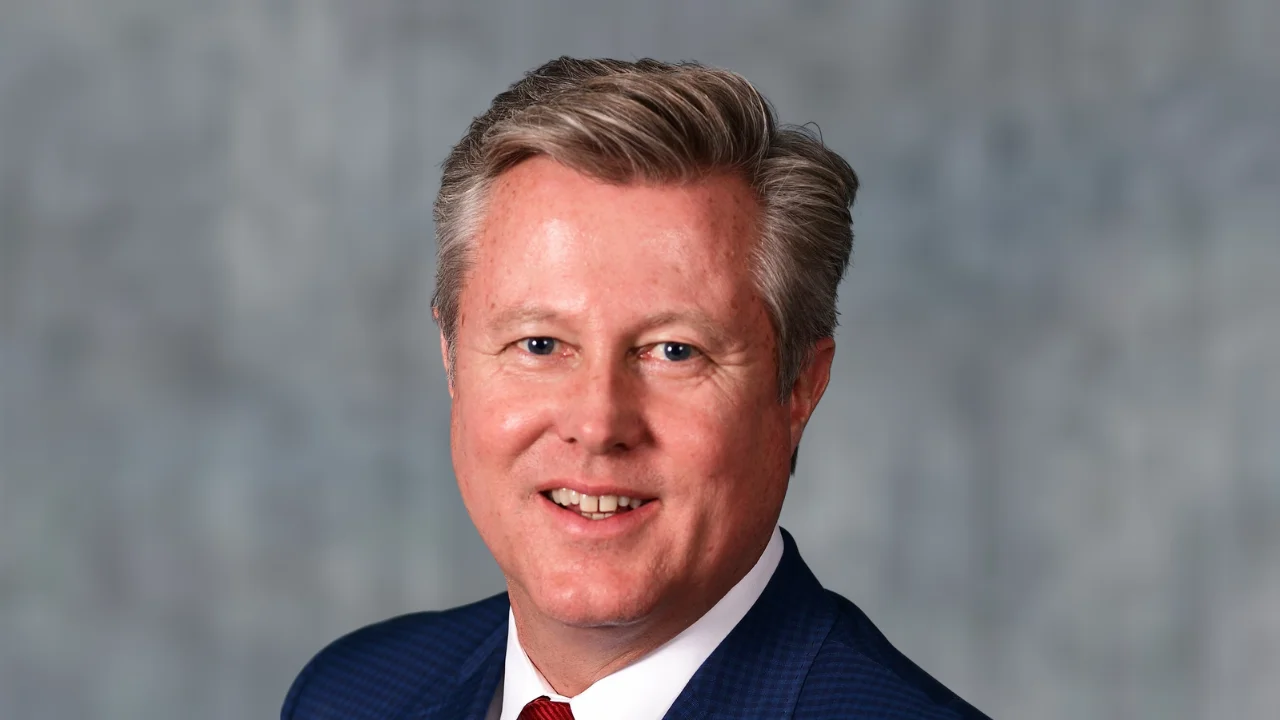
During the 104th General Assembly on May 31, 2026, Sen. Seth Lewis (R-24th) voted Yes on SB3365, a proposal designed to extend managed care rights for nursing home residents with dual eligibility under Medicare and Medicaid, as reported by the Illinois Senate. The bill was approved by the Senate in a unanimous 59-0 vote.
According to the official text of the bill, its summary states: "MEDICARE/MEDICAID DUAL ELIGIBL."
The following overview reflects our interpretation and clarification of the legislative language.
Essentially, the legislation extends Illinois’ Medicare-Medicaid Alignment Initiative Nursing Home Residents’ Managed Care Rights Law to now include fully integrated dual eligible special needs plans, along with all managed care plans that serve individuals who qualify for both Medicare and Medicaid. It updates the “Demonstration Project” definition to cover these expanded plans and affirms its relevance to the nursing home components of managed care. Furthermore, the Department of Healthcare and Family Services must now supply every managed care organization with quarterly, facility-specific data on nursing, support, capital, and enhanced care per diem rates for each contracted nursing home. The new provisions are effective immediately.
The official action taken for SB3365 was 'House Floor Amendment No. 2 Senate Concurs'.
Lewis graduated from the University of Iowa in 1991 with a Bachelor of Science degree.
A member of the Republican party, Lewis began serving in the Illinois State Senate in 2023, representing the 24th District after succeeding Suzy Glowiak.
Legislation in Illinois follows a multi-step legislative process that starts with bill introduction in either chamber, followed by committee evaluation, debates on the floor, and votes by both the House and Senate before reaching the governor, who can sign or veto the bill. The General Assembly operates on a biennial rhythm, typically seeing thousands of proposals each session, with only a select number completing the process to become law.