Sen. Seth Lewis backs SB3273 to speed up renewable energy links on public school property
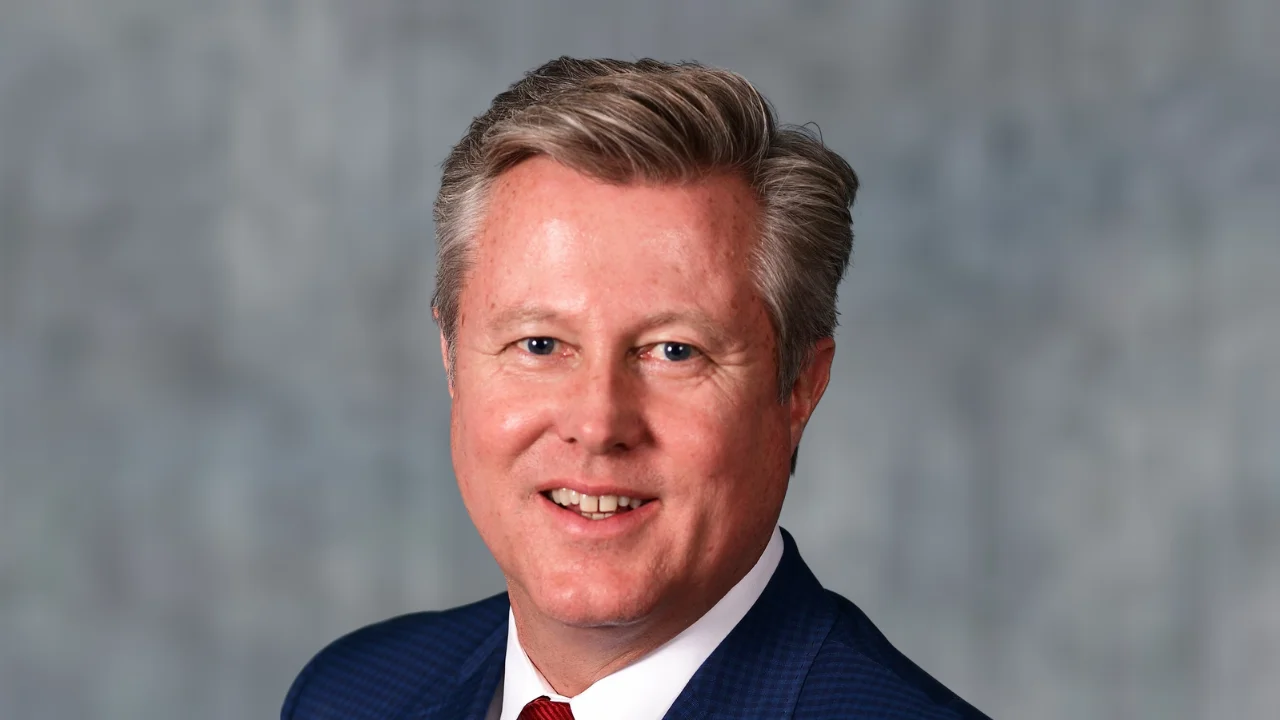
Sen. Seth Lewis (R-24th) cast a Yes vote for SB3273, a measure designed to expedite the interconnection process for renewable energy projects on public school property during the 104th General Assembly on May 31, 2026, according to the Illinois Senate. The bill passed with a unanimous 58-0 vote in the Senate.
The text of the bill identifies it as "UTILITIES-INTERCONNECTIONS."
The following explanation is our analysis of the bill’s language and may include interpretation for better understanding of its provisions.
The bill revises the Public Utilities Act to establish faster interconnection procedures and billing protections for distributed renewable generation projects located on public school lands. Utilities will have to handle completed interconnection requests for these projects independently of standard queues, complete technical reviews within 30 days, and issue interconnection agreements within 10 to 30 days, depending on required system modifications. The bill requires net metering and associated credits for these school-based projects to be applied within 90 days of confirmed eligibility and directs the Illinois Commerce Commission to update interconnection and net metering rules accordingly. Municipal utilities and electric cooperatives must set application fees for interconnections to these school projects in line with, and not exceeding 150% of, public utility fee levels. The legislation is effective immediately.
The legislative action recorded for SB3273 was 'House Floor Amendment No. 1 Senate Concurs.'
Lewis earned a BS from the University of Iowa in 1991.
Lewis, a Republican, began serving in the Illinois State Senate in 2023, representing the 24th Senate District after succeeding former senator Suzy Glowiak.
The advancement of bills in Illinois follows a multi-step legislative process involving introduction in either the House or Senate, review by committee, floor debate, and votes in both chambers before being submitted to the governor for signature or veto. The General Assembly operates on a biennial schedule, with thousands of bills introduced each session, though only a minority are enacted into law.