Sen. Linda Holmes supports SB3273 establishing faster renewable energy interconnection on school land
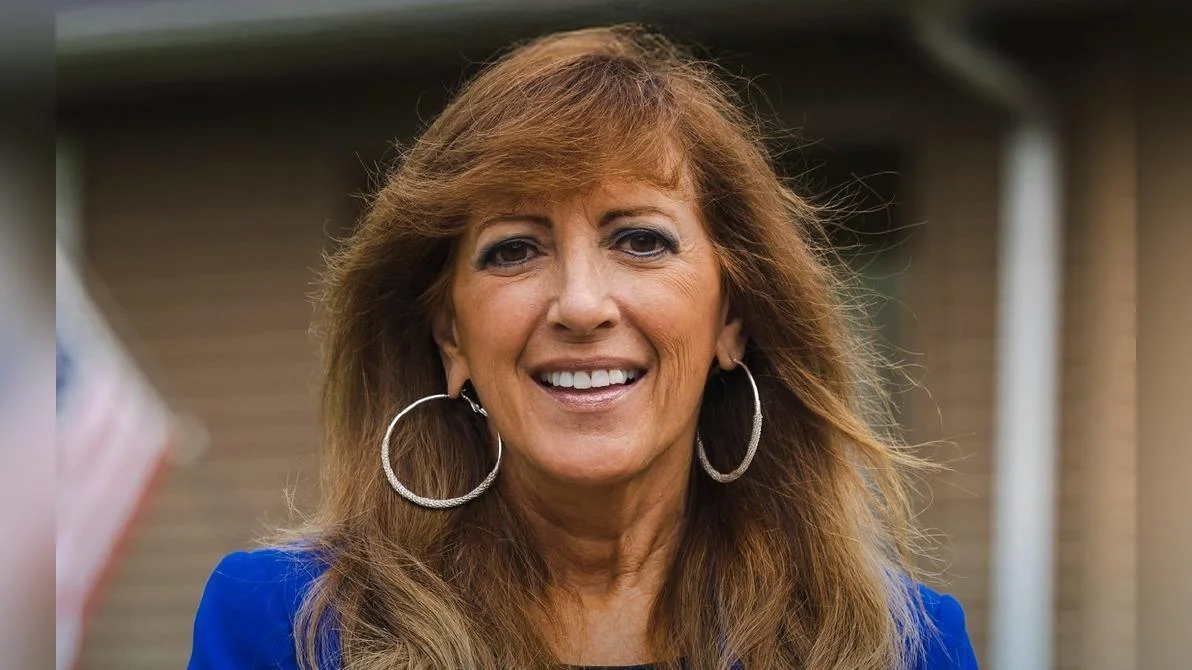
During the 104th General Assembly on May 31, 2026, Sen. Linda Holmes (D-42nd) voted Yes on SB3273, legislation aimed at expediting interconnection timelines for renewable energy on public school land. The Illinois Senate passed the measure unanimously, 58-0.
The bill text officially identifies it as "UTILITIES-INTERCONNECTIONS."
The following overview summarizes the measure and may offer interpretation from the text to clarify key provisions.
This bill amends the Public Utilities Act to implement faster interconnection timelines and billing safeguards for distributed renewable generation projects situated on public school land. Electric utilities must process completed interconnection requests for these projects independently from existing queues, finish technical reviews within 30 days, and provide interconnection agreements within 10 to 30 days depending on whether system upgrades are needed. All applicable net metering and related credits must be issued within 90 days after eligibility for these school-based projects is confirmed, and the Illinois Commerce Commission must update its interconnection and net metering rules as a result. Municipal utilities and electric cooperatives are also required to align application fees for these projects with those charged by public utilities, capping them at 150% of base utility rates. The law becomes effective immediately.
For SB3273, the recorded legislative action was 'House Floor Amendment No. 1 Senate Concurs.'
Holmes earned her bachelor's degree from National College of Education in 1984.
A Democrat, Holmes won election to the Illinois State Senate in 2007 for the 42nd District, succeeding former Sen. Phyllis Petka.
Every bill in Illinois must go through a multi-step legislative process beginning with introduction in either the House or Senate. Bills undergo committee evaluation, are debated on each chamber's floor, and must pass both houses before moving to the governor for signature or veto. The General Assembly’s biennial sessions see thousands of bills introduced, though only a small number are enacted into law.