Sen. Laura Ellman backs SB3798 to improve behavioral health crisis handling in 9-1-1 operations
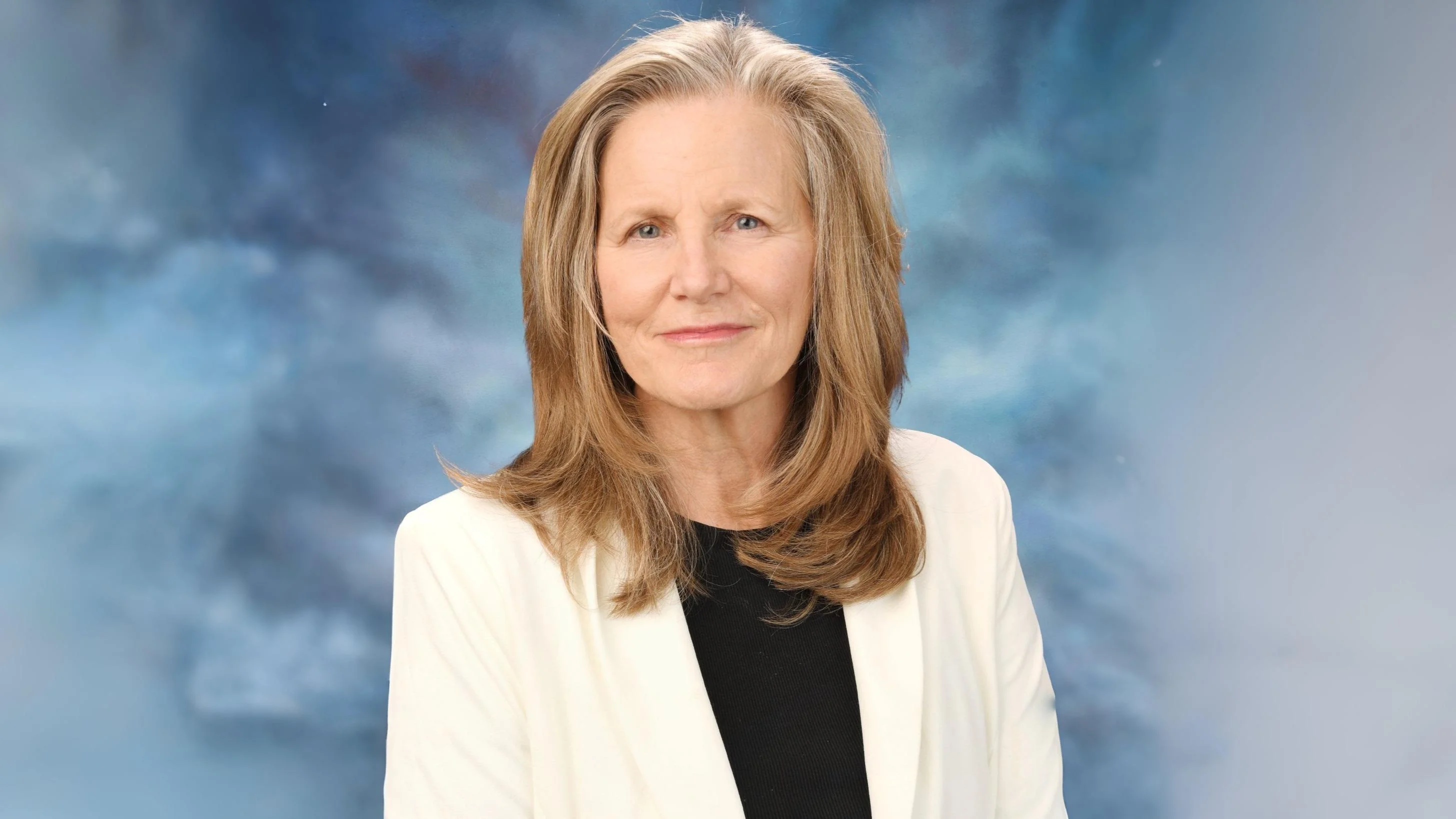
Sen. Laura Ellman (D-21st) supported SB3798 to enhance behavioral health crisis response in 9-1-1 call centers, casting a Yes vote during the 104th General Assembly on May 31, 2026. The measure passed within the Illinois Senate with a 58-0 vote, according to the Illinois Senate.
The official bill summary states: "MENTAL HEALTH 9-1-1 CALLS."
Below is our summary of the legislation, derived from the bill’s actual text, and may include interpretation for clarity.
This legislation strengthens Illinois’ response to behavioral health emergencies by requiring 9-1-1 call centers to screen select law enforcement calls for potential behavioral health concerns, apply statewide emergency medical dispatch protocols, and transfer suitable calls to mobile mental health teams or the 9-8-8 crisis system in place of deploying police. Starting July 1, 2027, all public safety answering points must comply with Community Emergency Services and Support Act standards and be overseen by the Statewide 9-1-1 Administrator, in collaboration with the Department of Human Services. Additional changes include expanded regional planning responsibilities, formalized data reporting and training standards, and updated Crisis Intervention Team courses for police to encourage use of community-based alternatives.
The legislative record for SB3798 reports the concurrence on 'House Floor Amendment No. 1'.
Ellman received her bachelor’s degree from Grinnell College in 1987.
A Democrat, Ellman was elected to the Illinois Senate in 2019, representing the 21st District, following former senator Michael Connelly.
Legislation in Illinois proceeds through a multi-step process, beginning with introduction in either chamber, then committee consideration, debates on the chamber floor, and votes in both the House and Senate before reaching the governor for potential approval or veto. The General Assembly holds biennial sessions, with thousands of bills proposed each cycle but only a portion being enacted into law.