SB3798 advances in Illinois Senate with Villa's support to bolster mental health response in 9-1-1 calls
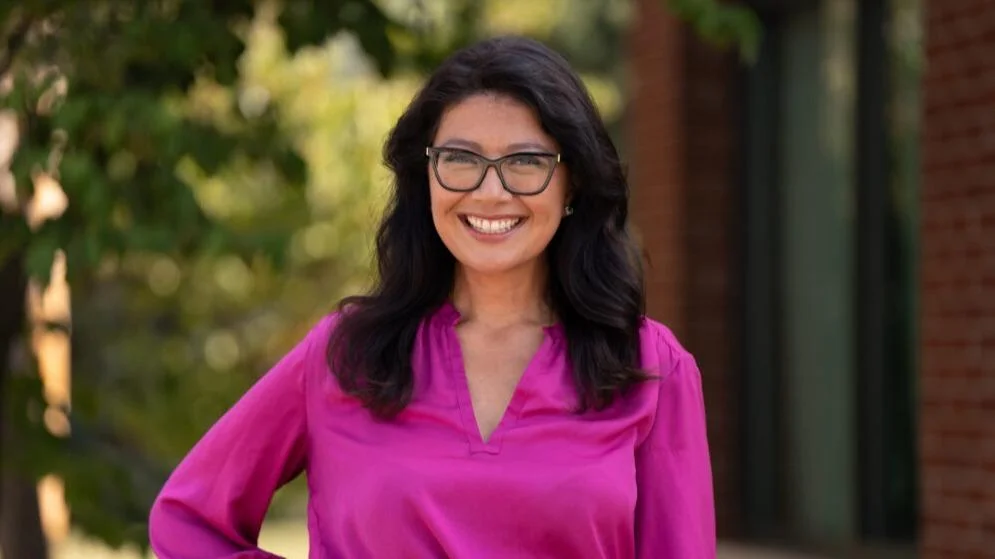
During the 104th General Assembly on May 31, 2026, Sen. Karina Villa (D-25th) voted Yes on SB3798, a proposal aimed at strengthening how behavioral health crises are addressed during 9-1-1 calls, according to the Illinois Senate; the legislation was approved in a unanimous 58-0 vote.
According to the bill's official text, the measure is titled: "MENTAL HEALTH 9-1-1 CALLS."
The following summary was developed by our team to clarify the language and key provisions of the bill itself.
This legislation aims to enhance Illinois' response to behavioral health emergencies by mandating 9-1-1 call centers to identify certain police calls for behavioral health concerns, implement emergency medical dispatch protocols statewide, and divert qualifying calls to mobile mental health teams or the 9-8-8 services rather than law enforcement. Starting July 1, 2027, all public safety answering points are required to follow Community Emergency Services and Support Act protocols, with oversight by the Statewide 9-1-1 Administrator in coordination with the Department of Human Services. The bill extends regional planning, solidifies requirements for regular data reports and staff training, and updates curriculum for police Crisis Intervention Teams with a focus on community-based response strategies.
For SB3798, the specific legislative action recorded was 'House Floor Amendment No. 1 Senate Concurs'.
Villa, a Democrat, has represented Illinois' 25th Senate District since she succeeded Jim Oberweis in the State Senate in 2021.
In Illinois, the legislative process involves several stages, starting with a bill's introduction in either chamber, committee consideration, floor debate, and passage by both the House and Senate before moving to the governor for final approval or veto. The General Assembly follows a biennial schedule, and while thousands of bills are introduced each session, only a limited number eventually become law.