Rep. Hirschauer supports HB4966 to bolster protections for youth in DCFS custody
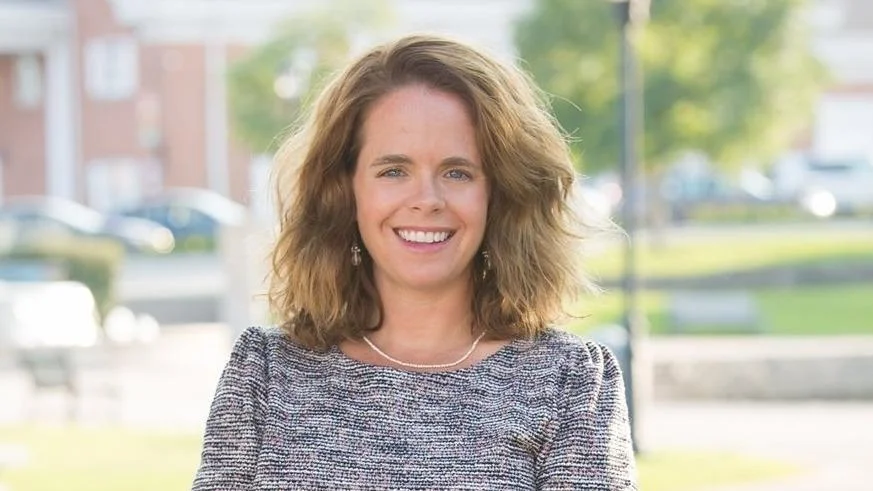
During the 104th General Assembly on May 31, 2026, Rep. Maura Hirschauer (D-49th) cast a Yes vote on HB4966, a measure intended to increase protections for youth in Department of Children and Family Services care; the Illinois House approved the bill in a 75-40 vote.
Per the official summary, HB4966 is referred to as the "DCFS-SECURE ACT."
The following summary is based on the actual bill text and may include explanatory interpretation to clarify certain provisions.
The legislation, which takes effect July 1, 2027, establishes the SECURE Act to build stronger protections for youth in Department of Children and Family Services custody, particularly in out-of-state placements. Case plans must outline caregiving responsibilities that assure safe, nondiscriminatory, and supportive environments appropriate to each youth’s needs and legally protected traits. The measure forbids the department from consenting to conversion therapy. It directs individualized risk and health care assessments, enforce ongoing Illinois-based monitoring for out-of-state placements with youth age 8 or older, presumes a youth’s right to preferred placement, and defends the right to access health care that is legal in Illinois. The act adds requirements for yearly public reporting, performance audits, extensive court oversight, the appointment of legal counsel for some youth, and establishes private rights of action against DCFS and licensed entities in cases of noncompliance.
HB4966’s official record notes the action: 'Senate Committee Amendment No. 1 House Concurs'.
Hirschauer earned a BA from Colby College.
Elected as a Democrat, Hirschauer began representing Illinois’ 49th House District in 2021, following Karina Villa.
Illinois legislation typically moves through a multi-tiered lawmaking process that starts with bill introduction, proceeds through committee considerations and debate, and requires final approval by both chambers before a measure is delivered to the governor. Every two-year session introduces many bills; however, only a portion advance to become state law.