Rep. Blair-Sherlock backs measure mandating cardiac emergency protocols in Illinois schools
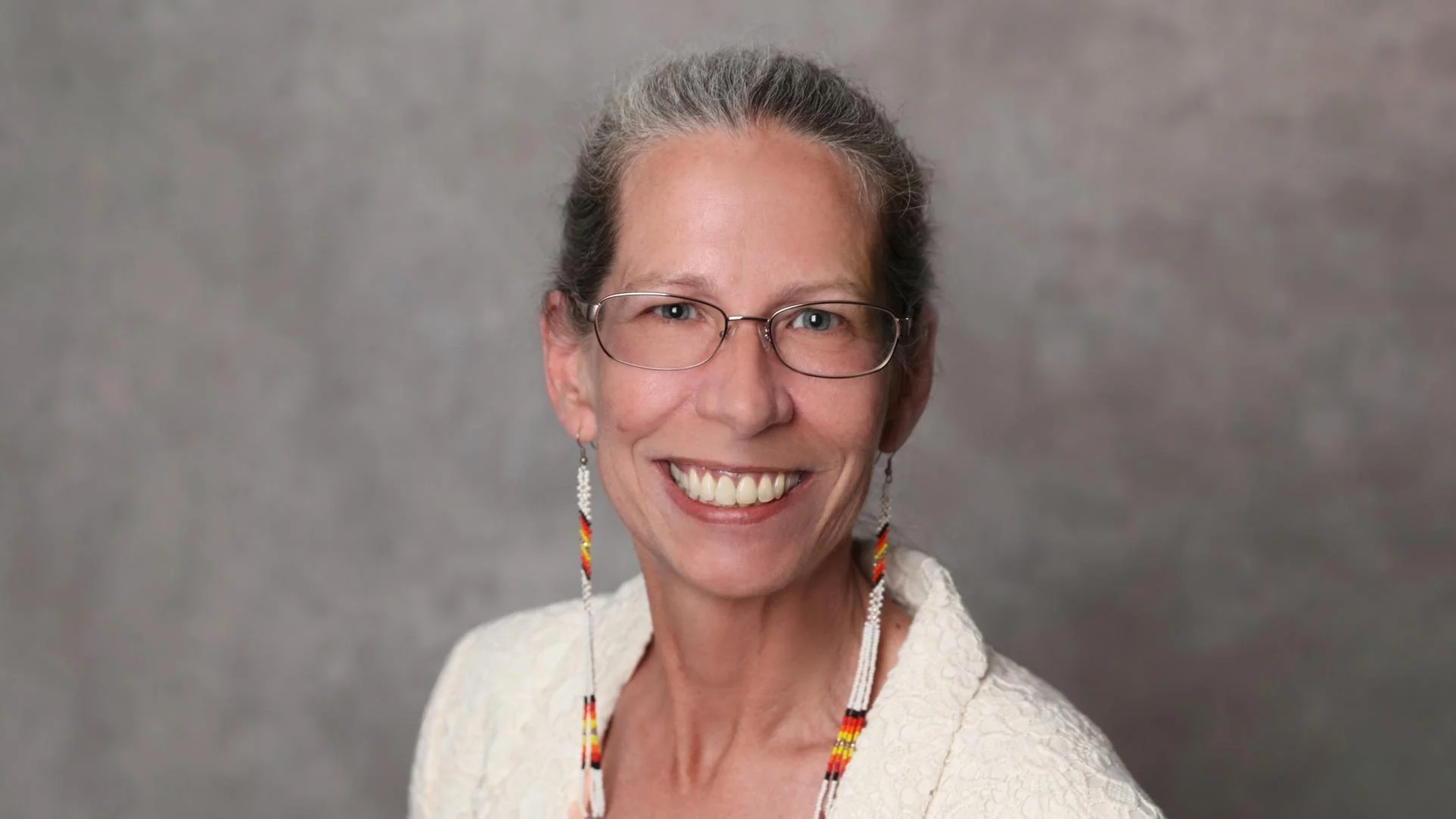
During the 104th General Assembly on May 31, 2026, Rep. Diane Blair-Sherlock (D-46th) cast a Yes vote for HB3275, which seeks to enhance cardiac emergency preparedness in Illinois schools, according to the Illinois House. The House approved the bill unanimously, with a 115-0 vote.
The official summary of HB3275 identifies it as: "SCH-CARDIAC EMERGENCY RESPONSE."
The summary below reflects the main points of the bill text and includes explanatory notes to clarify its requirements.
HB3275 calls for all paid head coaches or chief sponsors of interscholastic athletics in Illinois schools to obtain and keep current certification in CPR, first aid, and AED use in accordance with national emergency cardiovascular standards. The legislation also directs school districts and private schools to create a cardiac emergency response plan (CERP) in line with guidance from the American Heart Association, Project ADAM, or similar organizations. The required CERP must outline processes for handling cardiac incidents, maintain an AED inventory for school properties and events, ensure staff training, establish a designated emergency response team, and schedule annual cardiac emergency drills with participation from local EMS. The law is set to take effect Jan. 1, 2025.
The legislative record for HB3275 notes 'Senate Committee Amendment No. 2 House Concurs.'
Blair-Sherlock earned her AA from College of DuPage in 1985, completed a BS at Northern Illinois University in 1987, and obtained her JD at John Marshall Law School in 1993.
First elected in 2023, Blair-Sherlock serves as the Democratic representative for Illinois’ 46th House District, succeeding Deborah Conroy.
Illinois lawmaking involves a multi-stage legislative process that starts with a bill’s introduction in either chamber, committee hearings, floor debate, and final votes before a measure proceeds to the governor for enactment or veto. The General Assembly meets every two years, and despite thousands of bill submissions per session, only a subset become law.