Rep. Amy L. Grant supports HB4728, advancing new financial transparency rules for developmental disability care
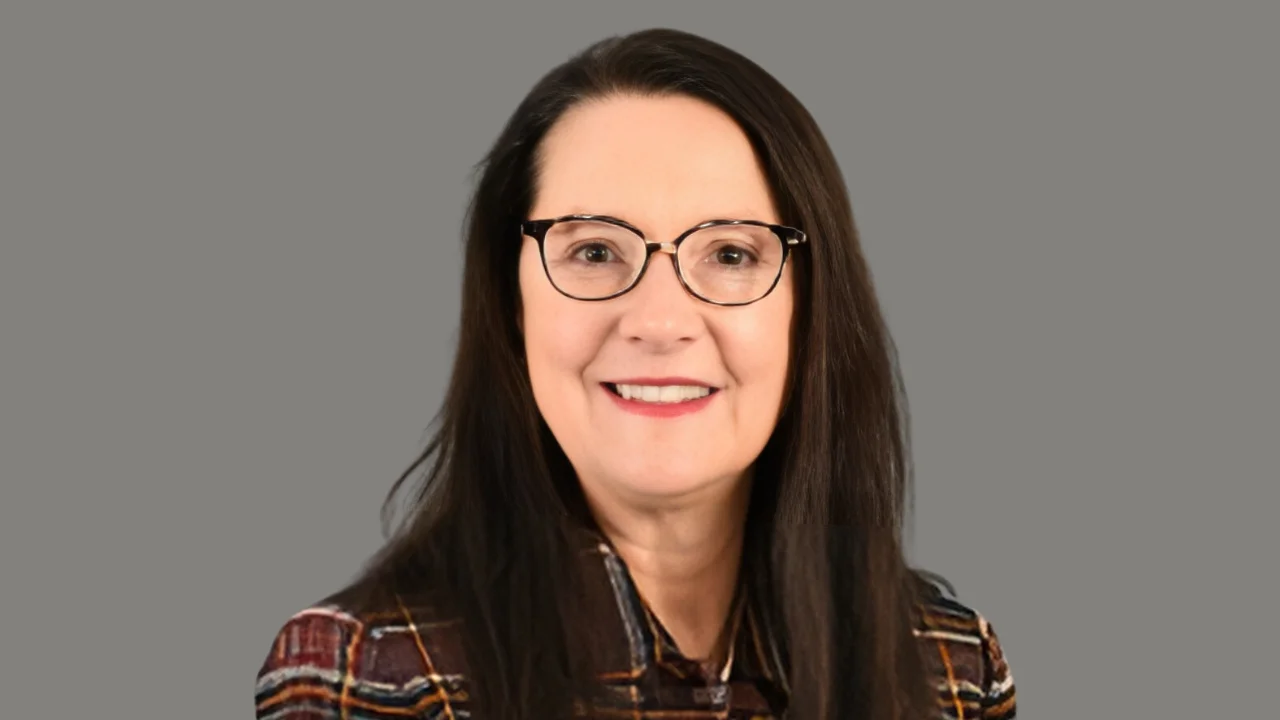
During the 104th General Assembly on May 31, 2026, Rep. Amy L. Grant (R-47th) voted in favor of HB4728, which calls for asset transfer and debt disclosure regulations for developmental disability facilities, according to the Illinois House; the measure was approved in the House by a 117-0 vote.
The official bill text describes it as: "DD FACILITY-ASSET MGMT COMPANY."
Below is an explanation based on the language of the bill, including clarifications to help outline its main components.
Essentially, HB4728 instructs state agencies that license certain developmental disability service facilities to put in place, by Dec. 31, 2026, rules for comprehensive, quarterly reporting where asset management companies own or have a controlling interest. The law requires prior notification and submission of agreements for significant asset or control changes; it forbids transactions that impose excessive debt, use borrowed funds to pay dividends, or pay fees that could lead to financial instability. Noncompliance is classified as an unlawful practice under the Consumer Fraud and Deceptive Business Practices Act, entails notification to the attorney general and labor groups, requires that violations be posted publicly, and that such information be accessible on agency websites. The act becomes law upon enactment.
The official record for HB4728 states: 'Senate Committee Amendment No. 1 House Concurs.'
Grant received a Bachelor of Science from the University of Pittsburgh in 1980.
Grant, a Republican, began serving in the Illinois State House in 2023 as representative for the 47th District, succeeding Deanne Mazzochi.
Illinois legislative measures proceed through a multi-step lawmaking process, starting with introduction in either chamber, moving through committee consideration, floor debate, and voting in both the House and Senate before reaching the governor, who can approve or veto. The General Assembly meets on a biennial cycle, and while thousands of bills are introduced per session, only a small share advance to become law.