Rep. Amy L. Grant supports HB3393 to revise victim testimony procedures in some criminal cases
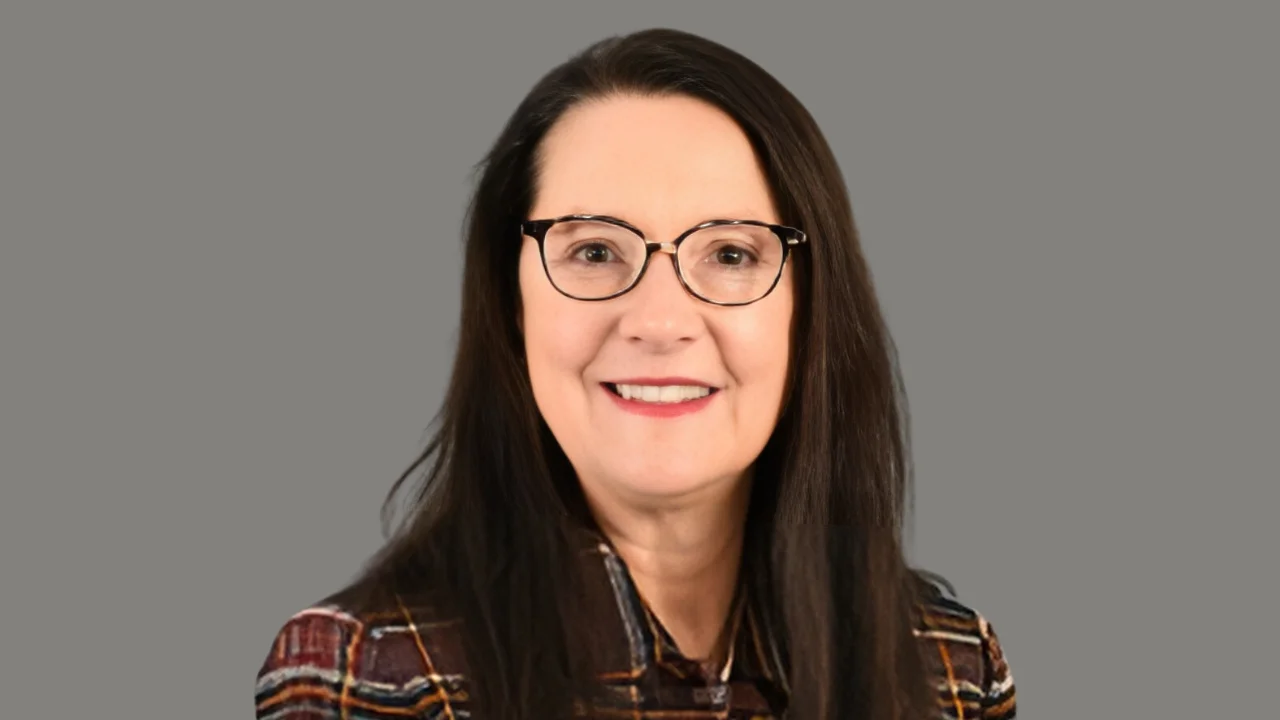
Rep. Amy L. Grant (R-47th) cast a Yes vote for HB3393, legislation that seeks to amend victim testimony rules in certain criminal cases, during the 104th General Assembly on May 31, 2026, according to the Illinois House. The bill was approved unanimously, 115-0.
The bill’s official summary is: "CRIM PRO--SPEEDY TRIAL TOLL."
The summary below reflects the main components of the bill text, with some interpretations to clarify its intent.
Primarily, the bill updates the Illinois Code of Criminal Procedure by changing standards for certain victim testimonies in specified prosecutions. It eliminates the rebuttable presumption that child victims under age 13 must testify remotely outside the courtroom, instead granting courts the authority to permit such arrangements if a victim under 18 or an individual with certain disabilities would experience significant emotional distress by testifying in the courtroom. If such a request is denied, the State may apply for a 30-day pause to speedy trial requirements to reconsider. The legislation clarifies who can attend these testimonies, enables defendants’ electronic communications, and requires a finding that the arrangement does not unfairly impact the defendant. The revisions affect prosecutions begun after the law’s implementation.
The official record for HB3393 notes: 'Senate Committee Amendment No. 1 House Concurs'.
Grant received a BS from the University of Pittsburgh in 1980.
Grant, a Republican, was elected to the Illinois State House in 2023 to represent the 47th District, succeeding former representative Deanne Mazzochi.
In Illinois, legislation advances through a multi-step legislative process that entails introduction in either the House or Senate, committee consideration, floor debate, and votes in both chambers before moving to the governor for possible approval or veto. Operating on a biennial timeline, the General Assembly typically considers thousands of bills each session, but only a small percentage are enacted into law.