Illinois Senate approves SB3037 as Dark Sky Act with unanimous Yes from Sen. Laura Ellman
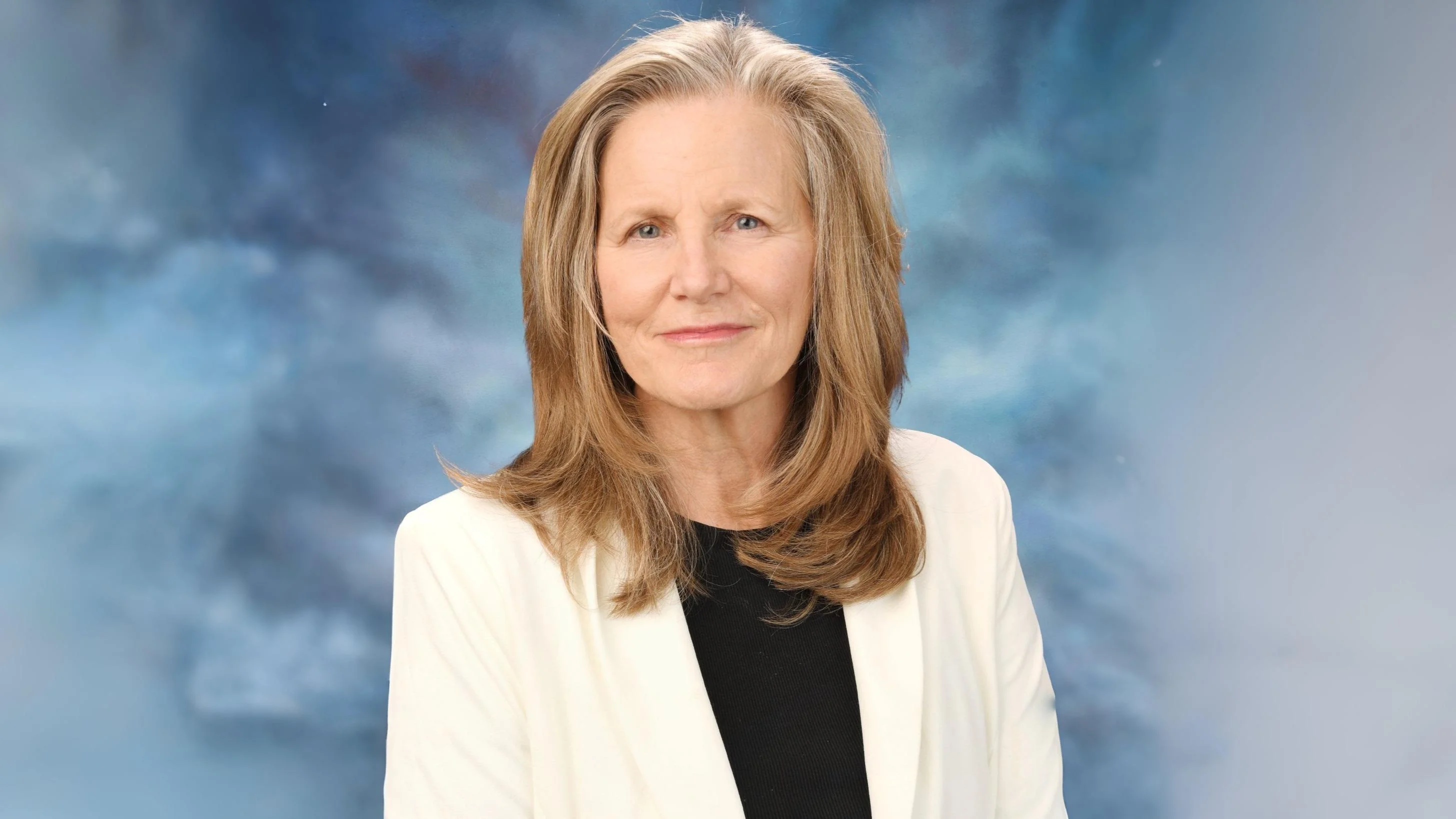
Sen. Laura Ellman (D-21st) supported SB3037, legislation she sponsored that seeks to update and formally rename outdoor lighting regulations as the Dark Sky Act, according to the Illinois Senate. The bill received unanimous approval in the Senate, passing 57-0 during the 104th General Assembly session on May 31, 2026.
The bill summary describes it simply as: "DARK SKY ACT."
Below is a summary based on the language of the bill and includes clarifications for key points.
The measure changes the name of the Responsible Outdoor Lighting Control Act to the Dark Sky Act. Upon enactment, it sets enhanced statewide requirements for outdoor lighting, with an emphasis on minimizing light pollution and safeguarding sensitive habitats. From Dec. 1, 2026, stricter restrictions on brightness, glare, light trespass, and color temperature must be followed for most newly installed or renovated outdoor lighting procured with state money or located on state property. Provisions also address shielding, curbing unnecessary lighting at night, and offer detailed standards for lighting near wilderness and natural spaces as well as sporting facilities. Existing federal, state, or local regulations that are more robust remain in effect. The bill outlines specific exemptions for safety, security, emergency response, historic features, and temporary or seasonal lighting. The Department of Central Management Services is required to evaluate state agency requests for exemptions within 30 days.
The legislative record for SB3037 reads 'House Floor Amendment No. 1 Senate Concurs.'
Ellman earned a BS from Grinnell College in 1987.
A member of the Democratic Party, Ellman began serving the Illinois State Senate for the 21st District in 2019 after succeeding Michael Connelly.
The legislative process in Illinois involves several stages: introduction in either legislative chamber, committee consideration, debate, and votes in both houses, concluding with action by the governor. The General Assembly follows a two-year schedule, and of the many bills introduced each cycle, only some advance to become law.