Illinois House passes SB3561 to oversee buy-now-pay-later lenders; Rep. Sanalitro votes in favor
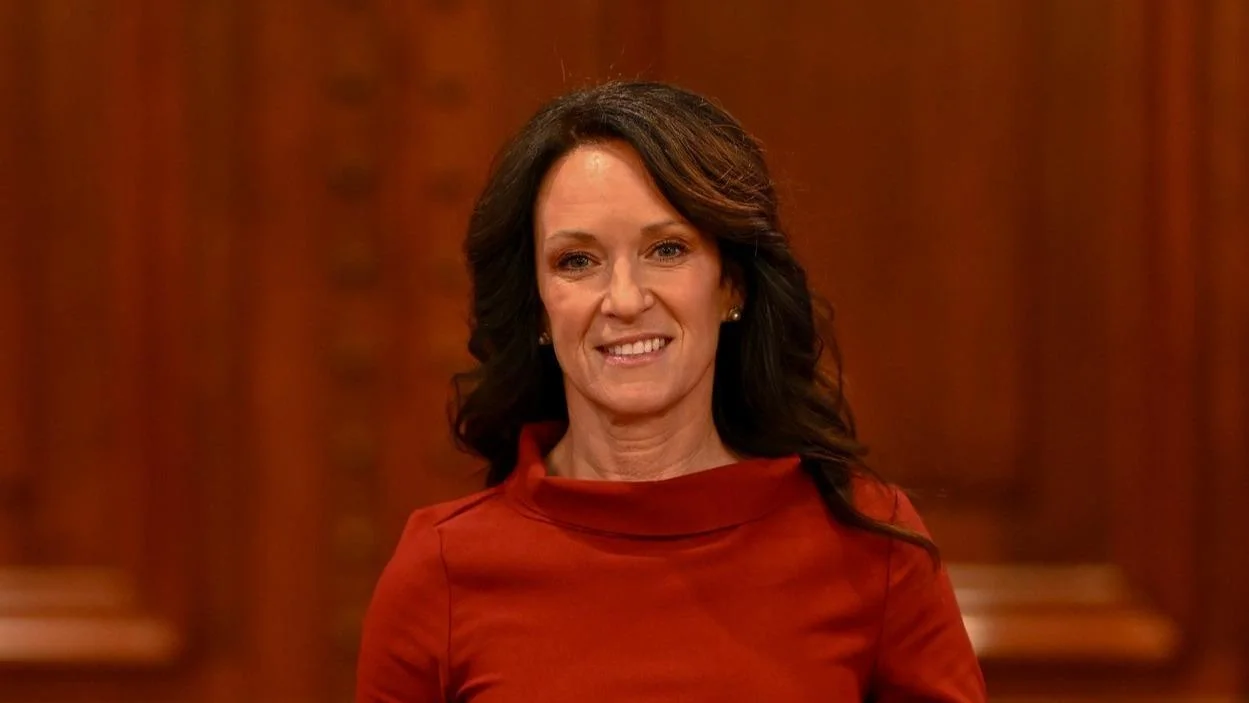
During the 104th General Assembly on May 31, 2026, Rep. Jennifer Sanalitro (R-48th) cast a Yes vote for SB3561, legislation aimed at regulating buy-now-pay-later lenders in Illinois, as recorded by the Illinois House. The House passed the bill by a unanimous 116-0 margin.
The official bill text refers to the measure as the "BUY-NOW-PAY-LATER ACT."
The summary below draws on the actual bill language and may reflect interpretive details to clarify its key points.
This measure establishes the Buy-Now-Pay-Later Loan Regulation Act, which requires buy-now-pay-later lenders in Illinois to register yearly with the Department of Financial and Professional Regulation, pay $5,000 for both initial and renewal fees, and fully disclose terms, APR, fees, repayment details, credit reporting practices, dispute processes, and refund rights. It also calls for prudent underwriting, fair procedures for disputes and refunds, and visible posting of registration and complaint information. The act grants the secretary broad authority to conduct investigations, issue subpoenas, review records, order cease-and-desist actions, assess civil penalties as high as $10,000 per violation, and pursue injunctions. Non-compliance is considered an unlawful practice under the Consumer Fraud and Deceptive Business Practices Act.
The action reflecting this decision for SB3561 was 'Third Reading - Short Debate - Passed.'
Sanalitro, a Republican, began serving Illinois' 48th House District in 2023, succeeding Terra Costa Howard as state representative.
Illinois legislation moves through a multi-stage process that starts with introduction in either chamber, continues through committee and floor debate, and requires approval in both the House and Senate before reaching the governor for consideration. The General Assembly operates on a biennial timeline, and of the many bills proposed each session, only a small portion ultimately become law.