Illinois House passes HB1810 with Rep. Blair-Sherlock's support for incarcerated individuals with disabilities
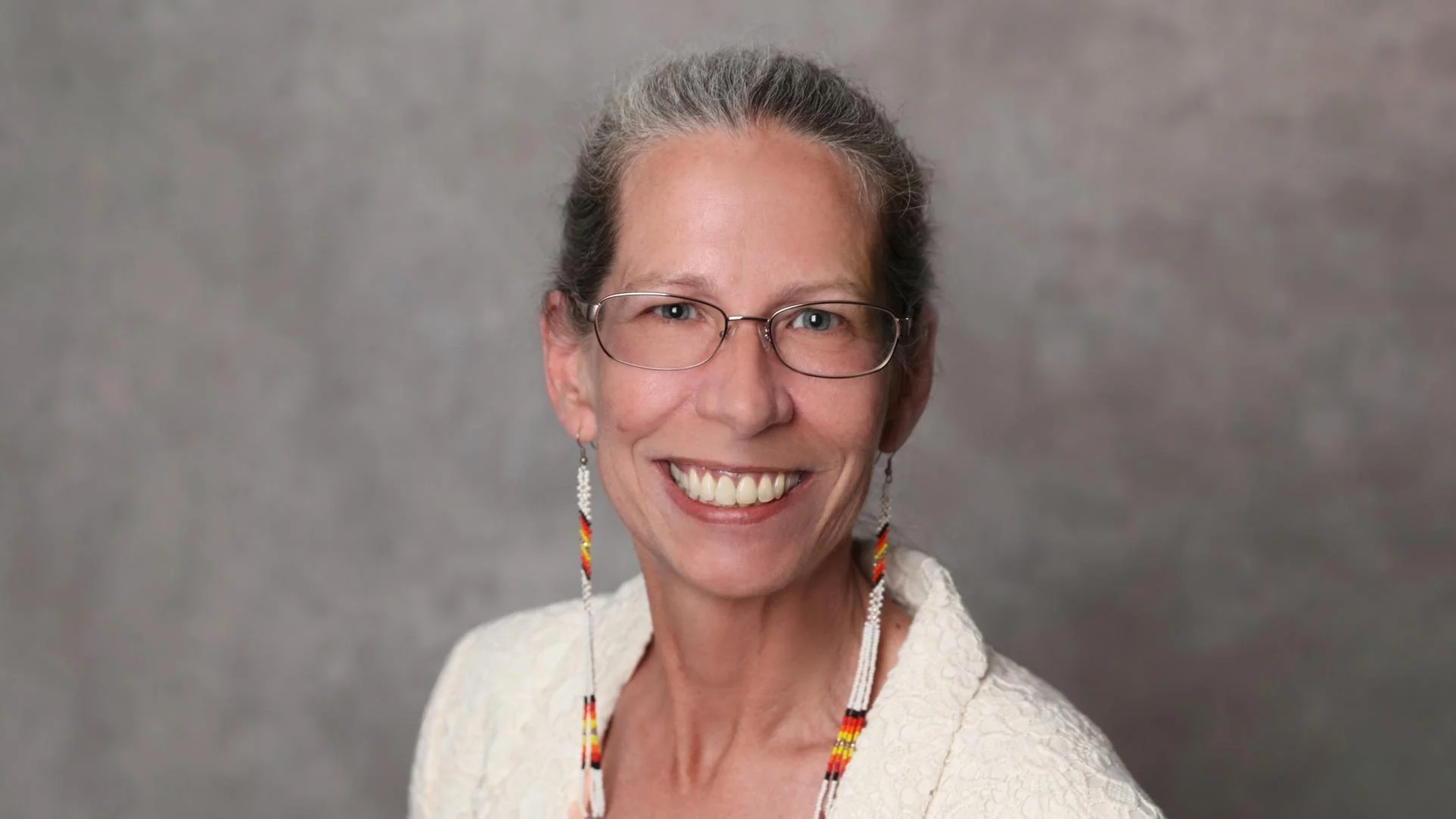
Rep. Diane Blair-Sherlock (D-46th) cast a Yes vote on HB1810—legislation aimed at ensuring equitable program access for incarcerated individuals with disabilities—during the 104th General Assembly on May 31, 2026. As reported by the Illinois House, the bill cleared the House with an 80-36 vote.
The official bill summary characterizes it as: "INCARCERATED-DISABILITIES."
The following explanation is based on the statutory language, offering clarification on the bill’s main points.
The bill, called the Equitable Access to Education, Employment, and Training for Incarcerated Individuals with Disabilities Act, seeks to guarantee that incarcerated individuals diagnosed with intellectual or developmental disabilities have a fair opportunity to join educational, work, and vocational programs. Under the provisions, individuals with these disabilities are eligible for waivers from the Test of Adult Basic Education or similar tests, aiding their eligibility for programs providing earned sentence credit. It further establishes an annual training requirement for Department of Corrections staff to enhance their ability to identify, assess, and support individuals with disabilities, as well as to create alternative evaluation methods. The bill seeks alignment with federal disability rights legislation, such as the Americans with Disabilities Act, and permits those affected to file grievances when denied either access or required accommodations. The act takes effect immediately.
The action titled 'Senate Floor Amendment No. 1 House Concurs' was recorded for HB1810.
Blair-Sherlock received her AA from College of DuPage in 1985, a BS from Northern Illinois University in 1987, and a JD from John Marshall Law School in 1993.
She began representing Illinois' 46th House District in 2023 after succeeding former state Rep. Deborah Conroy as a Democrat in the State House.
Illinois bills are subject to a multi-step legislative process starting with introduction and proceeding through committee considerations, floor discussion, and floor votes in both legislative chambers. After passage in both the House and Senate, the measure is sent to the governor for approval or veto. The General Assembly conducts its activities across two-year cycles, and while numerous bills are filed each session, only a select number move through every step to become law.