Hirschauer supports HB3275 mandating CPR and AED training, cardiac response plans in Illinois schools
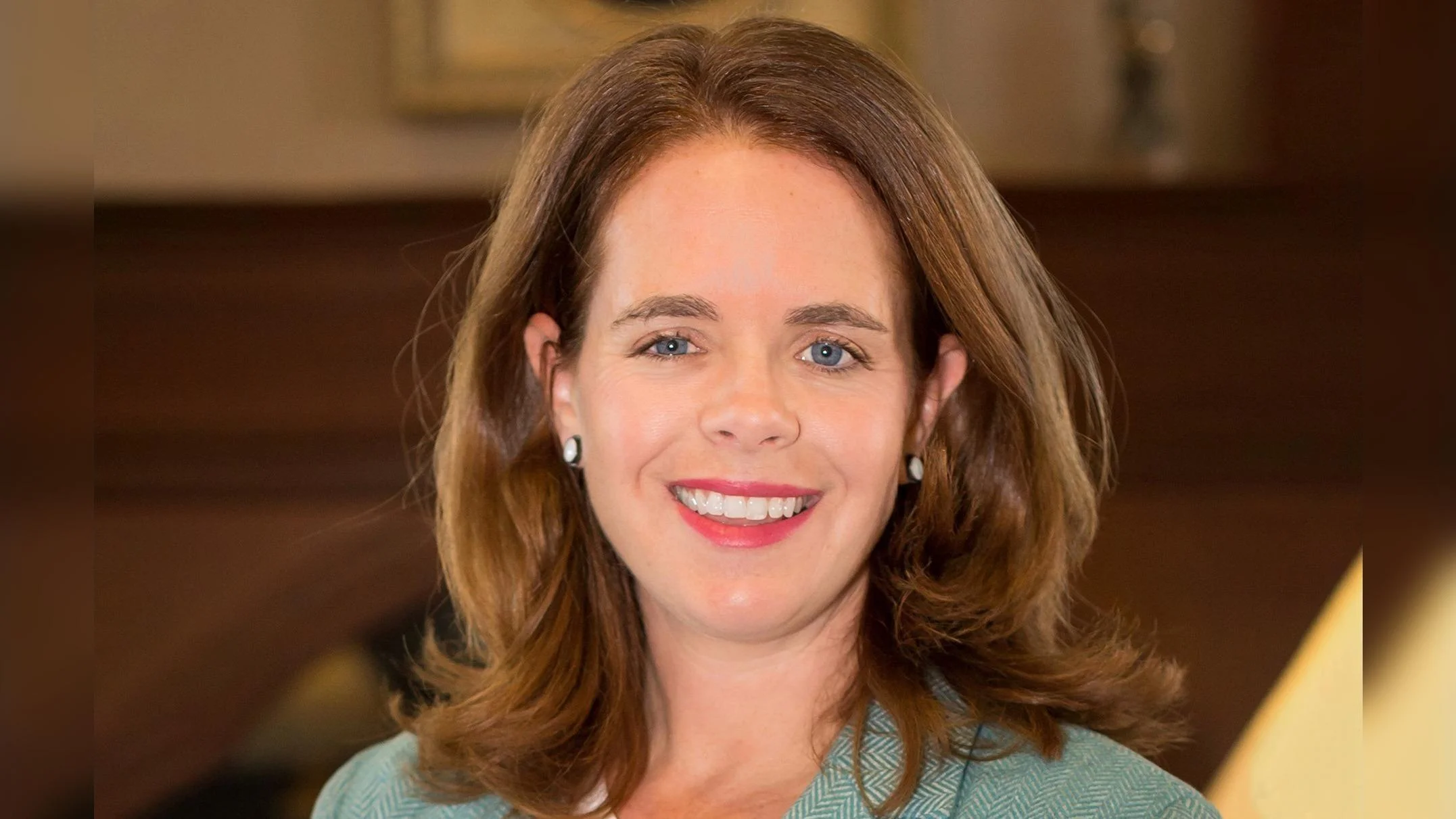
Rep. Maura Hirschauer (D-49th) voted in favor of HB3275 during the 104th General Assembly on May 31, 2026, a measure mandating CPR and AED certification as well as cardiac emergency planning in Illinois schools, the Illinois House reported. The bill was approved by a 115-0 vote.
According to the bill's official description, it is titled "SCH-CARDIAC EMERGENCY RESPONSE."
The following overview summarizes and clarifies the primary features of the bill as described in the official text.
HB3275 requires all paid school head coaches or chief sponsors of interscholastic sports in Illinois to obtain and maintain CPR, first aid, and AED certification based on national provider guidelines for emergency cardiovascular care. It also directs school districts and private schools to create a cardiac emergency response plan (CERP) that adheres to protocols recommended by the American Heart Association, Project ADAM, or similar organizations. CERP requirements include detailed procedures for responding to cardiac incidents, documentation and availability of AEDs during school and sporting events, annual staff training, formation of a response team, and mandatory yearly cardiac response drills with local EMS agencies. Implementation begins Jan. 1, 2025.
For HB3275, the legislative record notes 'Senate Committee Amendment No. 2 House Concurs.'
Hirschauer is a Colby College graduate with a Bachelor of Arts degree.
A Democrat, Hirschauer was elected to represent the 49th House District of Illinois in 2021, succeeding Karina Villa in the state House.
In Illinois, bills advance through a multi-step legislative process starting with their introduction in the House or Senate, then proceeding through committees, floor votes in both chambers, and ultimately to the governor for approval or veto. The General Assembly works on a biennial cycle; hundreds of bills are introduced each session, though only a subset become law after passing all legislative steps.