Ellman votes in favor of SB3273 to accelerate school renewable energy interconnections
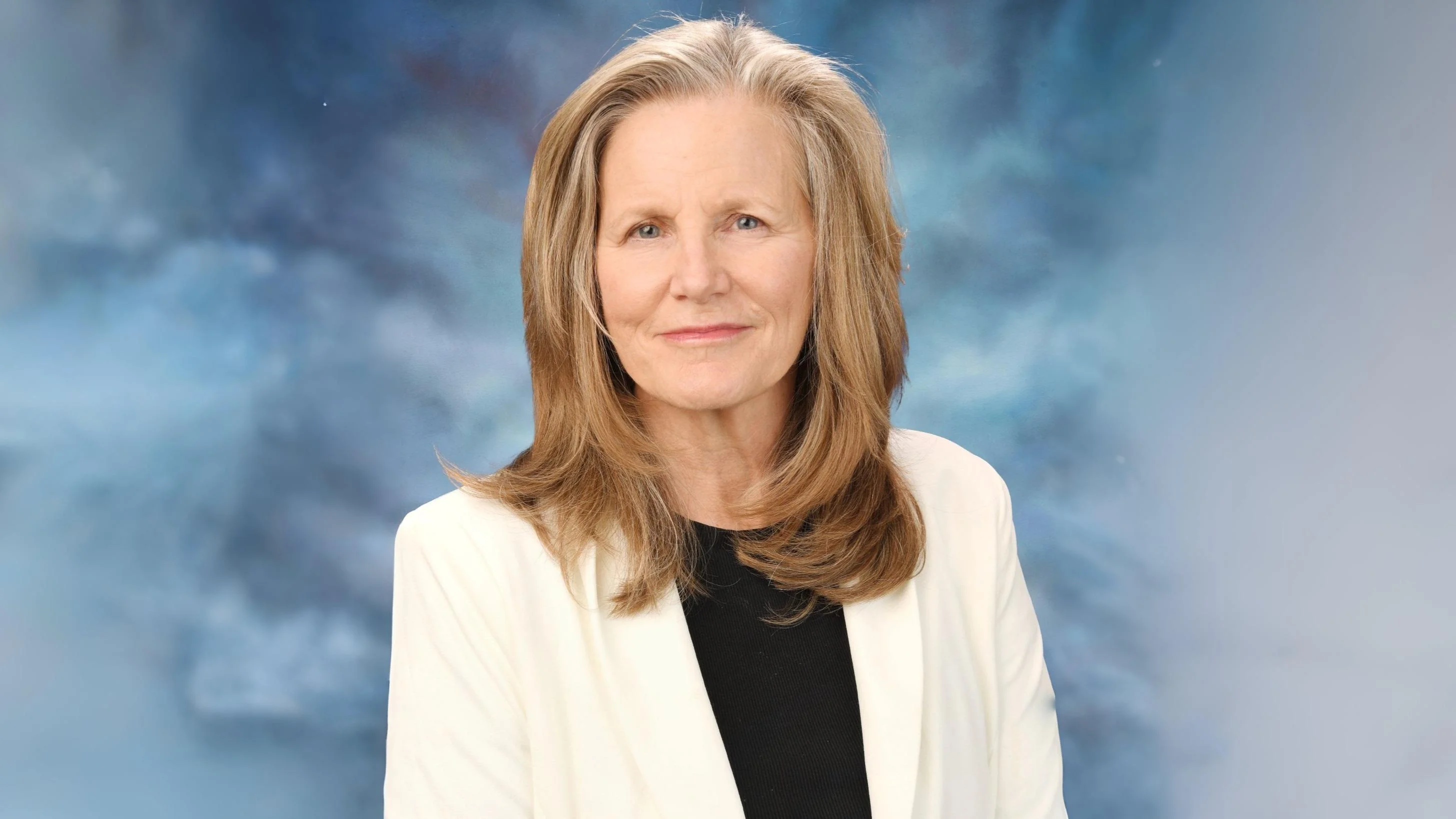
State Sen. Laura Ellman (D-21st) supported SB3273 in the 104th General Assembly during the May 31, 2026 session, voting to enact expedited interconnection timelines for renewable projects on school properties. The Illinois Senate approved the measure 58-0.
The official summary of the legislation reads: "UTILITIES-INTERCONNECTIONS."
We have provided a breakdown below based on the bill’s actual text, with clarifications of its key provisions.
SB3273 amends the Public Utilities Act to expedite both interconnection timelines and billing protections for distributed renewable generation projects on public school property. It directs electric utilities to prioritize completed interconnection requests for these school-based projects, conduct technical reviews within 30 days, and issue interconnection agreements within 10 to 30 days, depending on the need for system upgrades. Net metering and other associated credits must be processed within 90 days after eligibility is confirmed. The Illinois Commerce Commission is tasked with revising related interconnection and net metering rules. Municipal utilities and electric cooperatives are required to set interconnection application fees for these projects at levels comparable to those charged by public utilities, capped at 150% of public utility base costs. The legislation is effective immediately.
The bill’s legislative record notes the action: 'House Floor Amendment No. 1 Senate Concurs.'
Ellman earned her BS from Grinnell College in 1987.
As a member of the Democratic Party, Ellman began serving in the Illinois State Senate in 2019, representing the 21st Senate District after Michael Connelly.
In Illinois, legislative proposals move through a multi-step process involving introduction in one chamber, committee assessment, full chamber debates, and subsequent votes in both the House and Senate before consideration by the governor. The General Assembly operates on a biennial schedule, and while thousands of bills are filed each session, only a portion become law.