DeLaRosa backs measure regulating buy-now-pay-later lending, which passes Illinois House 116-0
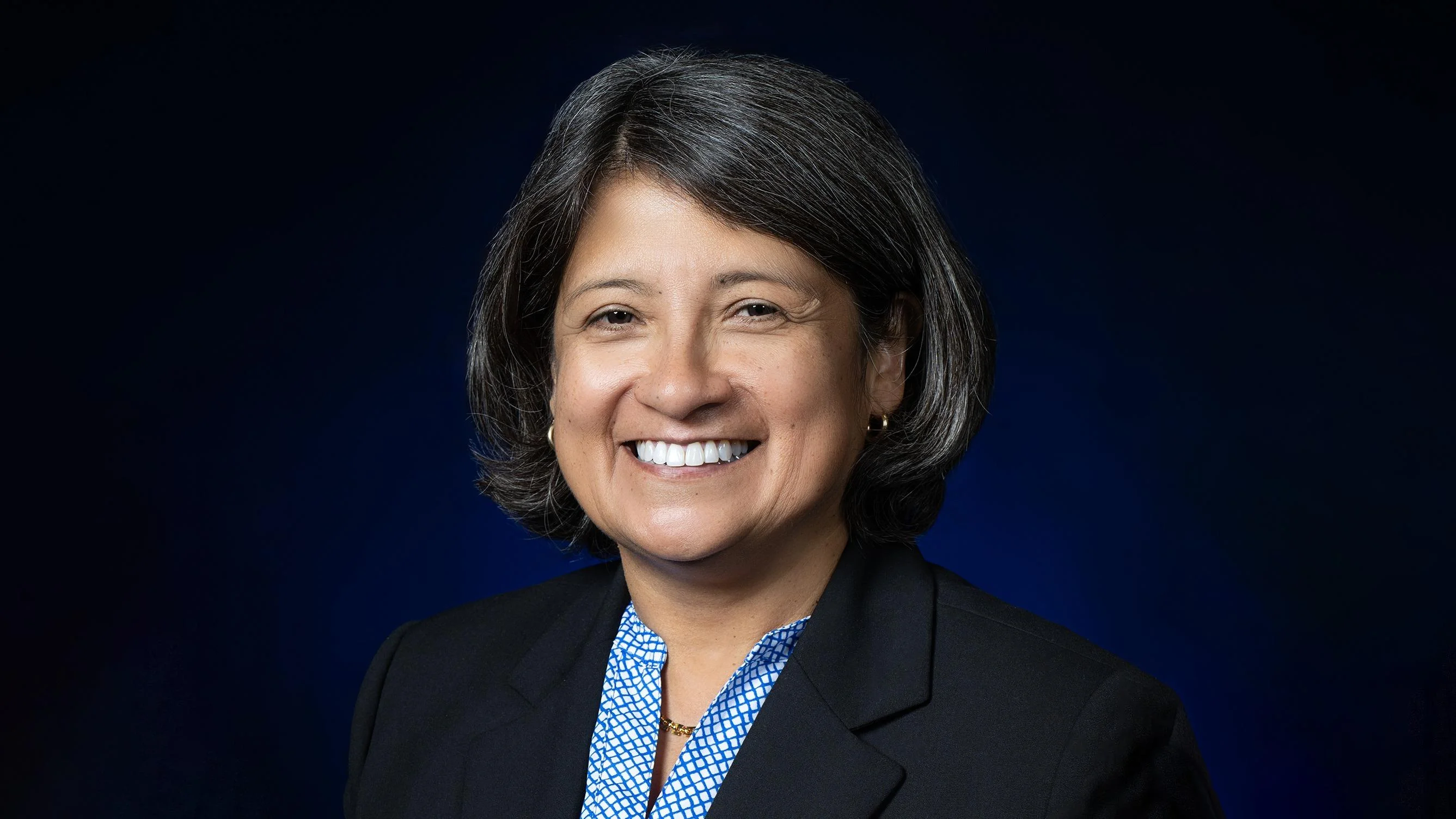
Rep. Margaret A. DeLaRosa (D-42nd) supported SB3561, legislation to regulate buy-now-pay-later lenders in Illinois, as part of the 104th General Assembly on May 31, 2026; the Illinois House recorded a unanimous 116-0 passage for the bill.
The official bill text refers to this measure as the "BUY-NOW-PAY-LATER ACT."
The following summary draws on the language of the bill and includes interpretation intended to clarify key portions of its content.
In summary, SB3561 establishes the Buy-Now-Pay-Later Loan Regulation Act. Under the bill, buy-now-pay-later lenders in Illinois must register annually with the Department of Financial and Professional Regulation, pay initial and renewal fees of $5,000, and give consumers specific disclosures on loan terms, APR, fees, repayment schedules, credit reporting, dispute rights, and refunds. It also compels reasonable underwriting standards, equitable processes for dispute and refund handling, and requires prominent posting of registration and complaint contact information. The secretary is empowered to investigate, subpoena records, review documentation, issue cease-and-desist orders, impose civil penalties up to $10,000 per violation, and seek injunctions where necessary. Any violations are classified as unlawful practices under the Consumer Fraud and Deceptive Business Practices Act.
The vote on SB3561 occurred during its 'Third Reading - Short Debate - Passed' stage.
DeLaRosa earned a BS from DePaul University.
DeLaRosa, a Democrat, was elected to the Illinois State House in 2025. She represents the 42nd House District, succeeding former state representative Terra Costa Howard.
Each bill in Illinois moves through a series of legislative steps including initial introduction, committee consideration, floor debate, and votes in both the House and Senate before proceeding to the governor for approval or veto. The General Assembly operates on a biennial cycle, with thousands of measures introduced every session, though only a portion advance through the full process to become law.