Blair-Sherlock supports HB4649 to strengthen safeguards for adults facing financial exploitation
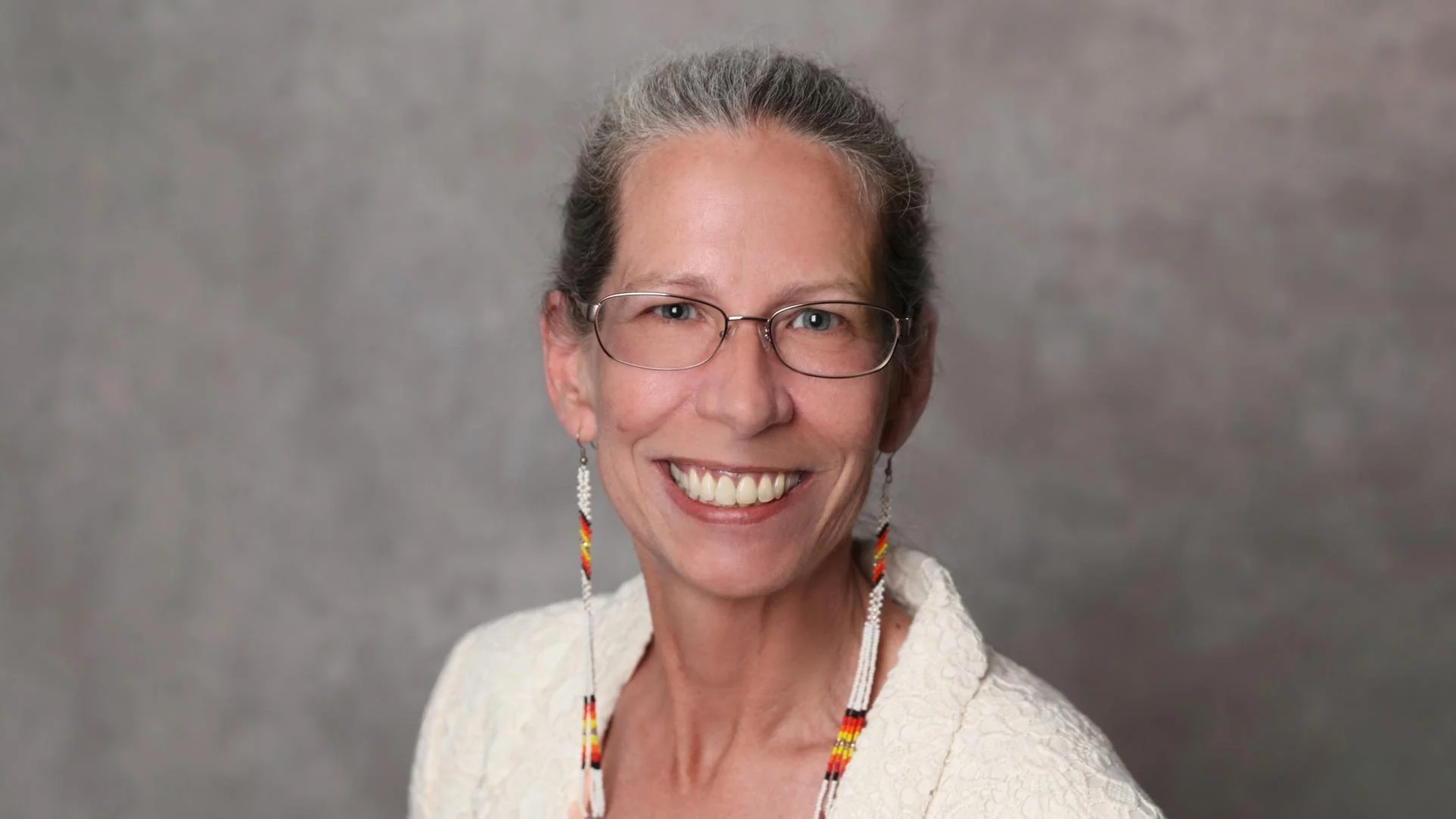
Rep. Diane Blair-Sherlock (D-46th) supported HB4649, which seeks to strengthen protections for adults at risk of financial exploitation, during the 104th General Assembly on May 31, 2026; the bill was unanimously approved in the Illinois House with a 115-0 vote, according to the Illinois House.
The bill's summary described it as: "FINANCIALLY EXPLOITED ADULT."
Below is a detailed explanation based on the bill's text, with clarification where needed.
This legislation broadens protections for adults vulnerable to financial exploitation by granting courts the power to issue ex parte temporary and comprehensive final injunctions in situations involving immediate risk, potential irreparable harm, and a compelling legal basis. Remedies listed in the bill include freezing assets or lines of credit, restricting contact, removing a respondent from a shared residence, notifying law enforcement, or ordering counseling and reimbursement of funds. It also outlines the notice process, hearings, service guidelines, statewide enforcement, contempt penalties, and costs, plus allows substitute service when the perpetrator is not identified. Such orders may remain in effect for up to two years.
The legislative record for HB4649 noted: 'Senate Floor Amendment No. 2 House Concurs.'
Blair-Sherlock earned an AA from College of DuPage in 1985, a BS from Northern Illinois University in 1987, and a JD from John Marshall Law School in 1993.
A member of the Democratic Party, Blair-Sherlock was elected to fill the 46th House District seat in the Illinois State House in 2023, succeeding former representative Deborah Conroy.
Legislation in Illinois advances through a multi-step process that includes bill introduction in either the House or Senate, review in committee, debates on the floor, and votes in both chambers before the legislation proceeds to the governor for signature or veto. The General Assembly, operating biennially, usually introduces thousands of bills per session, although only a small percentage become state law.