Blair-Sherlock backs SB3222 to limit ad volume on streaming services
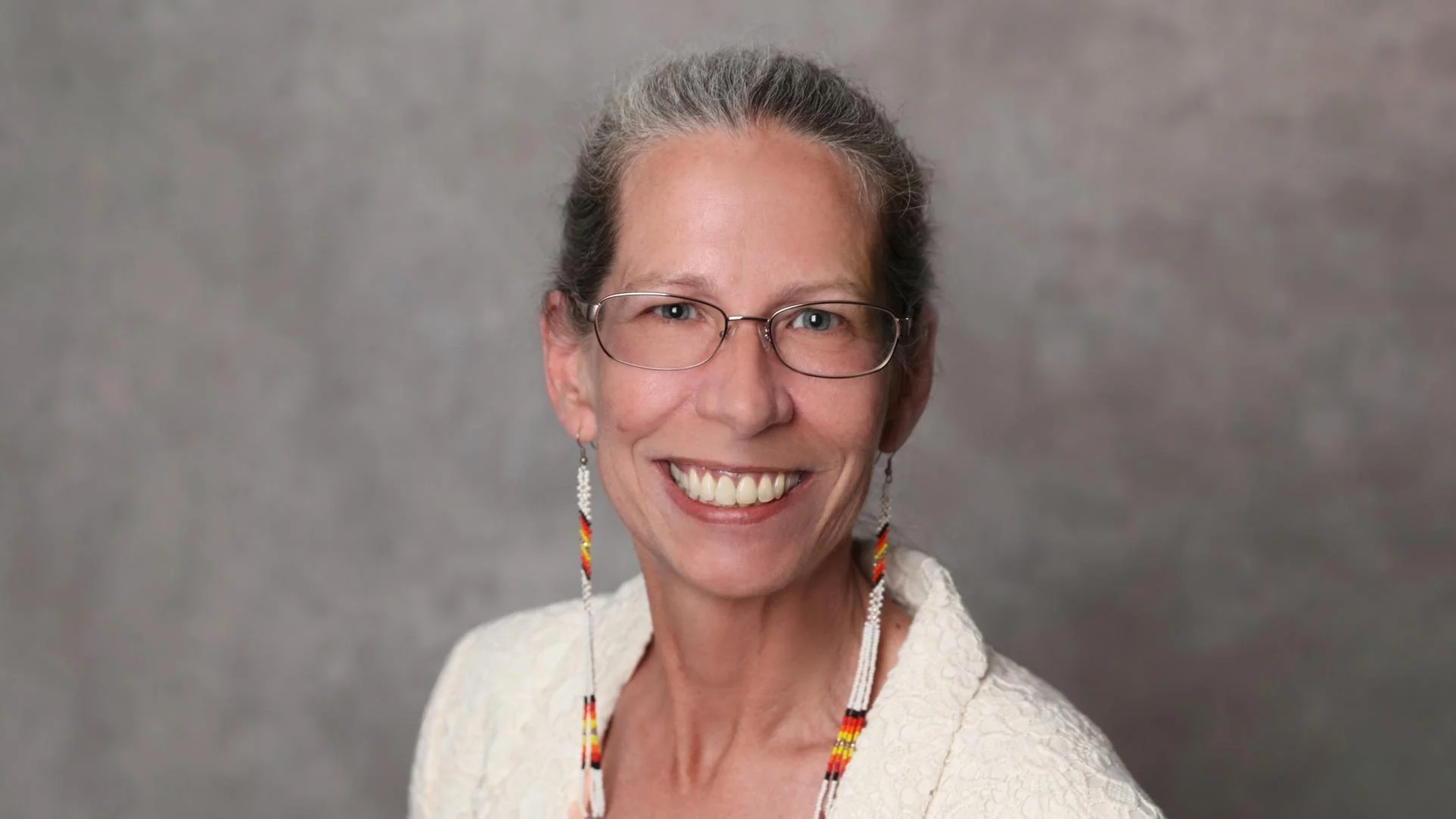
Rep. Diane Blair-Sherlock (D-46th) supported SB3222, a proposal to set limits on advertisement volume in video streaming services during the 104th General Assembly session on May 31, 2026, according to the Illinois House. The House approved the bill with a 77-31 vote.
The official description refers to this initiative as: "VIDEO STREAMING AD VOLUME."
This summary is based on the official bill text and may incorporate interpretation for clarity about the measure's stipulations.
Essentially, the bill amends the Public Utilities Act to define “video programming” using federal law as the standard and introduces a classification for “video streaming service.” This category includes internet-based platforms offering ad-supported video directly to Illinois consumers, excluding both ad-free services and traditional cable or video outlets. From July 1, 2027, these services cannot broadcast commercials at a higher volume than the associated video programs, with requirements matching Federal Communications Commission guidelines for commercial ad loudness. The measure does not grant individuals the right to file private lawsuits.
The action on SB3222 was recorded as 'Third Reading - Short Debate - Passed'.
Blair-Sherlock earned an AA from College of DuPage in 1985, a BS from Northern Illinois University in 1987, and a JD from John Marshall Law School in 1993.
A Democrat, Blair-Sherlock began serving the 46th District in the Illinois State House in 2023 after the departure of predecessor Deborah Conroy.
Illinois bills move through a multi-stage legislative process that starts with introduction in either legislative chamber, then passes to committee hearings, debates on the floor, and votes in both chambers before a final decision by the governor. The General Assembly functions biennially, with thousands of bills introduced each cycle but only a minority becoming law.