Blair-Sherlock backs HB3393 to revise courtroom testimony procedures for victims
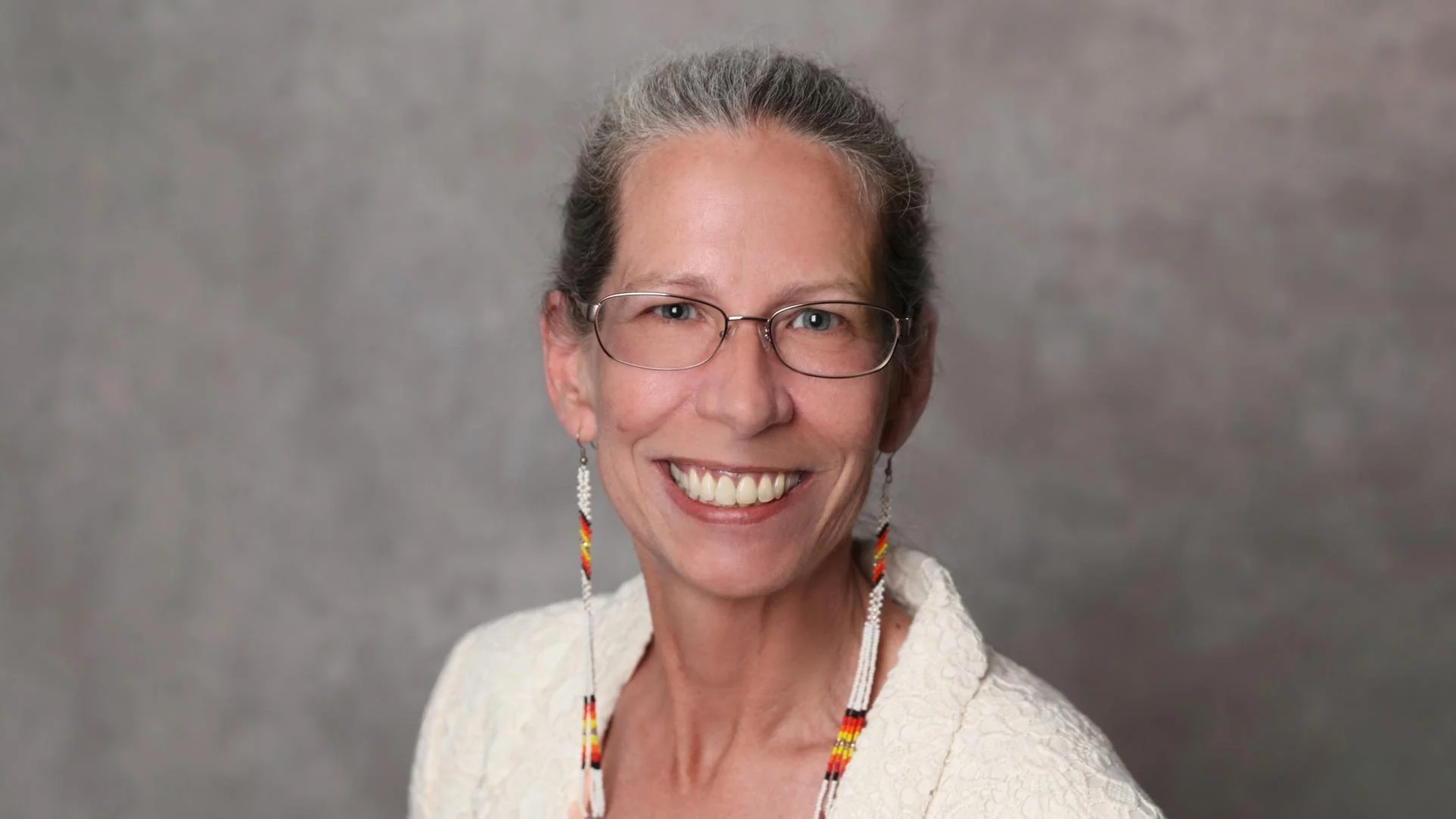
During the 104th General Assembly on May 31, 2026, Rep. Diane Blair-Sherlock (D-46th) voted in favor of HB3393, a measure updating rules on courtroom testimony for certain victims; the bill cleared the Illinois House 115-0, as listed by the Illinois House.
The bill's official summary uses the phrase: "CRIM PRO--SPEEDY TRIAL TOLL."
Below is an explanatory overview based directly on the bill language, including interpretive details for clarity.
Overall, the legislation revises the Illinois Code of Criminal Procedure to adjust how certain victims in criminal cases may testify. The previous presumption that children under 13 must provide testimony via closed circuit television outside the presence of the defendant is removed. Instead, a court can require this measure if a child under 18 or a person with designated disabilities would experience extreme emotional distress if testifying in open court. If a request for closed-circuit testimony is denied, state prosecutors may seek a 30-day extension for speedy trial deadlines to allow for reconsideration. The legislation designates permissible attendees for such testimony, permits defendants to communicate through electronic means, and requires assurance that this arrangement won't harm the defendant's fairness at trial. These changes affect prosecutions initiated after the law goes into effect.
The final recorded action on HB3393 was: 'Senate Committee Amendment No. 1 House Concurs'.
Blair-Sherlock holds an AA from the College of DuPage (1985), a BS from Northern Illinois University (1987), and a JD from John Marshall Law School (1993).
A Democrat, Blair-Sherlock began serving in the Illinois State House in 2023, succeeding Deborah Conroy in representing the 46th House District.
Legislation in Illinois moves through a standard multi-step process, starting in either legislative chamber, then undergoing committee consideration, floor discussions, and votes in both houses before heading to the governor for final approval or veto. The General Assembly's two-year schedule typically sees thousands of bills proposed, with only a portion becoming law by the close of each session.