Sen. Linda Holmes supports SB3484 to strengthen Illinois vehicle registration and plate regulations
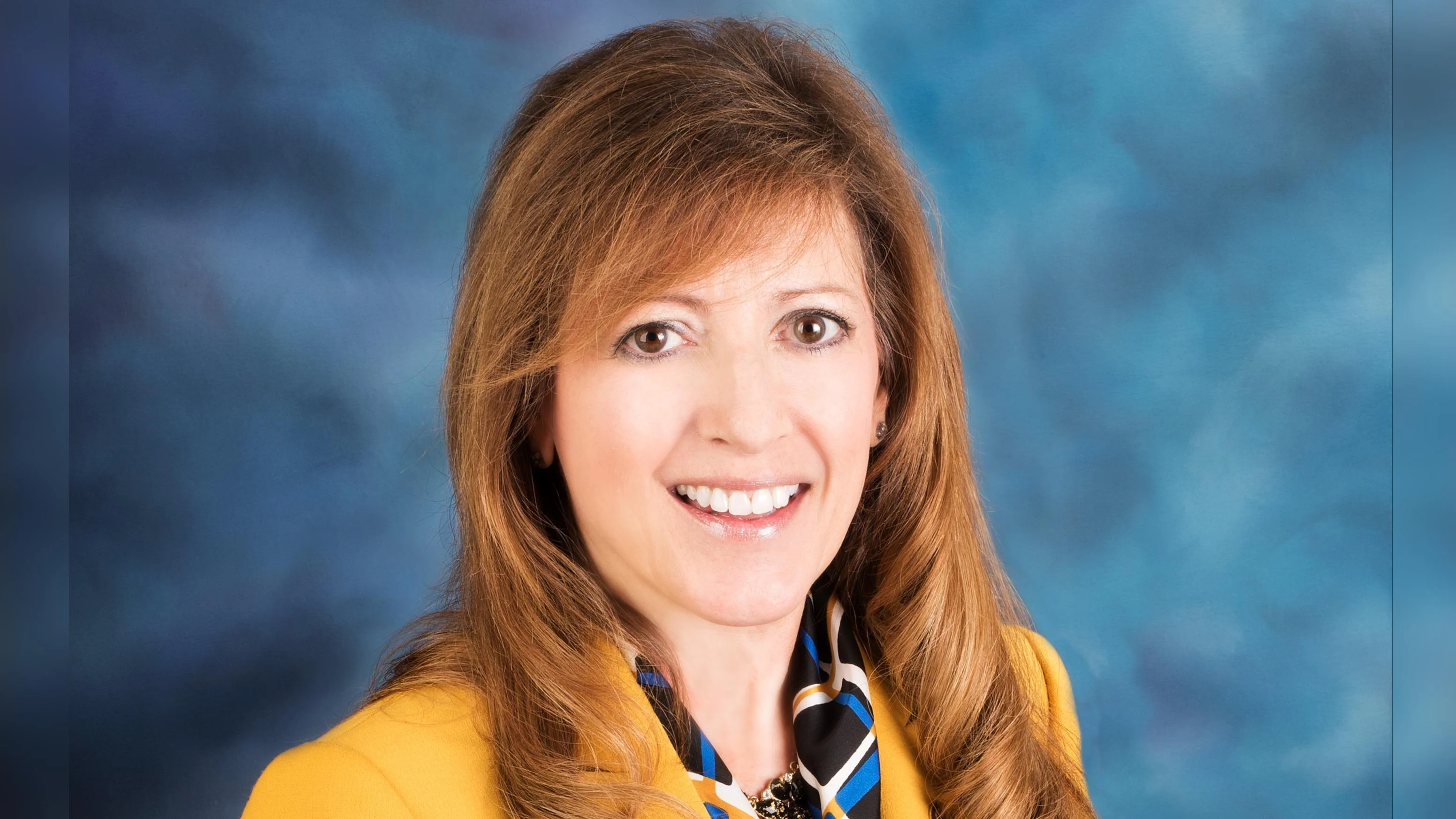
Sen. Linda Holmes (D-42nd) cast her vote in favor of SB3484—a bill designed to make Illinois vehicle registration and plate requirements more rigorous—during the 104th General Assembly on May 31, 2026, the Illinois Senate reported. The Senate approved the bill with a 48-7 majority.
The official summary of the bill’s text reads: “VEH CD-PLATES-REGISTRATION.”
Presented below is a summary based on the original bill text, which explains and clarifies its various sections.
Broadly, the legislation updates several portions of the Illinois Vehicle Code related to registration processes, title issuance, license plate rules, and fees, while also addressing disability accommodation provisions. It grants the secretary of state authority to set license plate design and color, restricts registration to owners or lessees with a valid Illinois address, and classifies tampering with, forging, or creating counterfeit plates—either physical or digital—as illegal. The measure permits the suspension or revocation of special tow truck or wrecker plates for fraudulent or improper actions, mandates that auctioneers or dealers acquire an Illinois title before title assignment if no assignable title is present, enacts a $5 renewal charge for licenses and permits for individuals ages 18, 19, and 20, updates fees for a second plate issued to certain veterans with disabilities, and requires the secretary to provide parents or legal guardians of non-driving persons with disabilities meter-exempt parking decals or devices under existing rules for disability-related plates or decals.
The official legislative record for SB3484 notes: 'House Floor Amendment No. 1 Senate Concurs'.
Holmes earned her BA from the National College of Education in 1984.
A Democrat, Holmes was elected to the Illinois State Senate for the 42nd District in 2007, taking over the seat previously held by Sen. Phyllis Petka.
Illinois legislation follows a multi-stage process from initial introduction in either the House or Senate through committee consideration, chamber debates, and passage in both bodies before consideration by the governor for signature or veto. The General Assembly operates on a two-year cycle, with thousands of measures proposed each session, though only a portion are ultimately enacted into law.