Sen. Linda Holmes supports SB3037 to rename Outdoor Lighting Act as Dark Sky Act
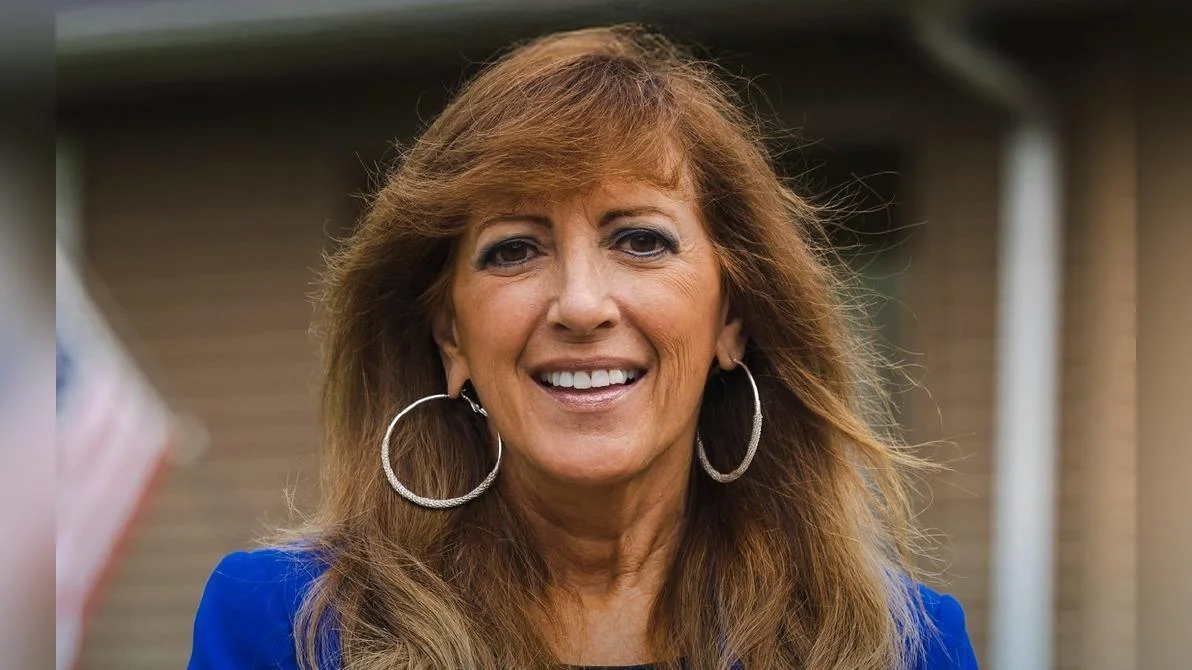
Sen. Linda Holmes (D-42nd) cast a Yes vote on SB3037 to rename the Responsible Outdoor Lighting Control Act as the Dark Sky Act during the 104th General Assembly on May 31, 2026, according to the Illinois Senate. The legislation passed the Senate with unanimous 57-0 approval.
According to the official bill text, the act’s summary reads: "DARK SKY ACT."
The description below reflects the details of the bill along with interpretations aiming to clarify the legislation’s intent and scope.
The bill assigns the new name Dark Sky Act to the previous Responsible Outdoor Lighting Control Act and enacts tougher state regulations for outdoor lighting to mitigate light pollution and safeguard natural habitats once in effect. From Dec. 1, 2026, most replacement or new outdoor lighting purchased with state funds or installed on state-controlled property must comply with standards on brightness, glare, unwanted light trespass, and color temperature, and must incorporate shielding while restricting unnecessary overnight lighting. There are additional restrictions near wilderness and protected areas, and new specific protocols for sports facility lighting, with the retention of any stronger existing standards at other governmental levels. The measure also outlines exemptions for safety, emergency use, historic light fixtures, and temporary or seasonal lighting, and mandates that the Department of Central Management Services respond to state agencies’ exemption requests within 30 days.
The official record for SB3037 notes: 'House Floor Amendment No. 1 Senate Concurs.'
Holmes earned her BA from National College of Education in 1984.
Holmes, a Democrat, has served in the Illinois State Senate since her election in 2007 representing the 42nd Senate District, succeeding former state senator Phyllis Petka.
In Illinois, proposed legislation follows a detailed legislative process, which begins with a bill’s introduction in either the House or Senate, proceeds through committees and floor debate with votes in both legislative chambers, and finally moves to the governor for potential approval or veto. Each session is two years long, and though legislators submit thousands of proposals each session, only a small portion become law.