Holmes casts yes vote for SB3506 to revise sexual assault, juvenile records, and victim confidentiality laws
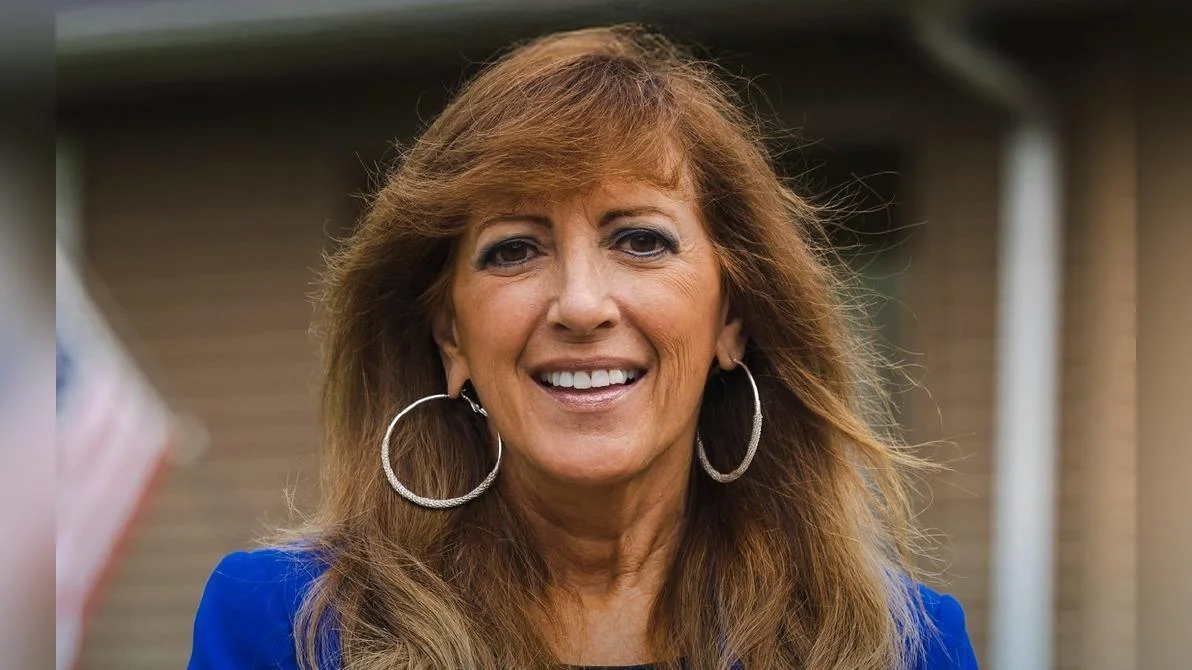
Sen. Linda Holmes (D-42nd) supported SB3506, which updates legal provisions dealing with sexual assault, juvenile records, crime victims’ rights, and address confidentiality. The vote took place during the 104th General Assembly on May 31, 2026, according to the Illinois Senate; the Senate approved the bill unanimously, 58-0.
The bill's official summary is: "CRIME VICTIMS RIGHTS."
The following analysis is based on the full bill text and may include interpretative content for clarity.
SB3506 updates several Illinois statutes covering sexual assault, juvenile records, crime victims’ rights, and address confidentiality. Starting Jan. 1, 2028, hospitals and licensed pediatric facilities can implement TeleSANE telehealth programs, enabling qualified personnel to supervise sexual assault medical forensic exams remotely, provided proper training, privacy, and technology standards are met. For juvenile cases involving multiple minor or sex offense victims, the law requires that identifying details for nonrequesting victims be redacted. It also limits any exclusion of crime victims from courtroom proceedings to situations with a written motion filed at least 60 days before trial. Revisions to the address confidentiality program include expanded eligibility, participation for certain household members, an option for 4-year renewals, updated cancellation rules, and discretionary authority for the attorney general when participants legally change their names.
The legislative record for SB3506 notes: 'House Floor Amendment No. 1 Senate Concurs.'
Holmes graduated with a BA from National College of Education in 1984.
A member of the Democratic Party, Holmes has represented Illinois’ 42nd Senate District since her election to the State Senate in 2007, succeeding Phyllis Petka.
Illinois bills proceed through a multi-stage legislative process involving introduction in either chamber, review by committees, debate, and votes in both the House and Senate before the governor's consideration. The General Assembly, which meets biennially, sees thousands of proposed bills each session, but only a portion advance to become law.