Holmes backs HB4304, supporting Higher Education Student Bill of Rights Act
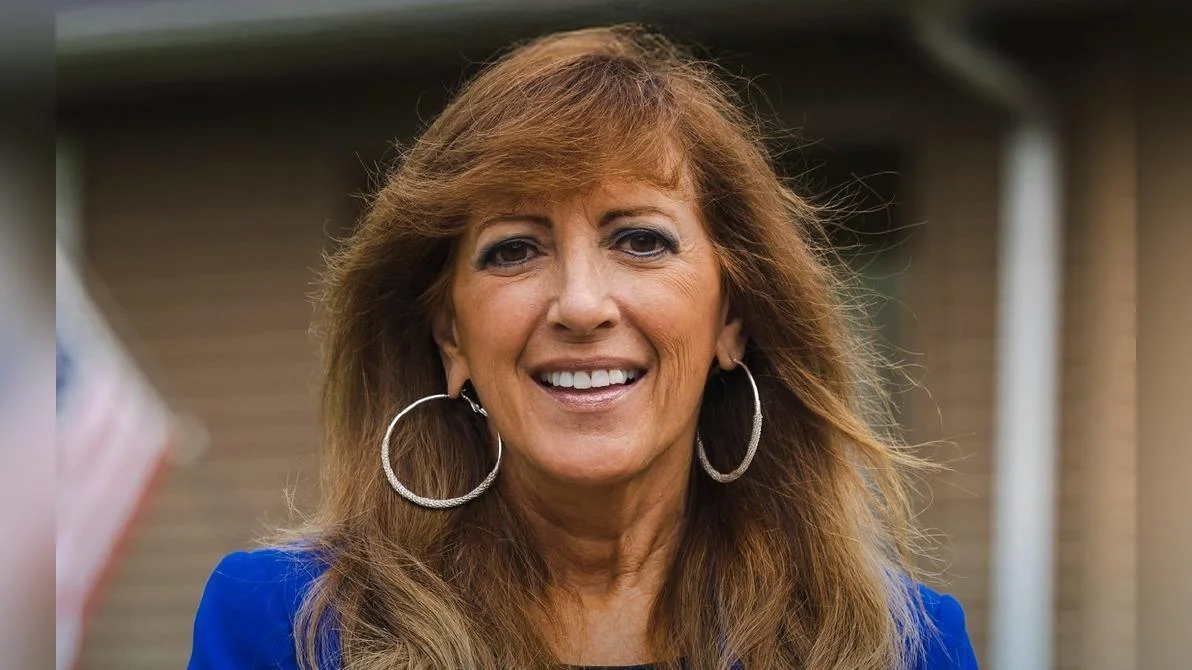
Sen. Linda Holmes (D-42nd) cast a Yes vote for HB4304 during the 104th General Assembly on May 31, 2026, enacting the Higher Education Student Bill of Rights Act. The Illinois Senate records show the bill advanced by a 37-19 margin.
According to the bill's official summary, the act is titled: "HIGHER ED STUDENT BILL OF RTS."
The following analysis is based directly on the official text of the bill and aims to explain the provisions in clearer terms.
This measure establishes the Higher Education Student Bill of Rights Act, outlining that students attending postsecondary schools in Illinois have access to a wide range of protections. The act secures a safe, inclusive, and accessible learning space; prohibits discrimination; ensures freedom of expression, the right to organize, and to protest peacefully; and requires transparent information on academic offerings and evaluations. It gives students the right to view and amend their educational records, participate in programs without political influence, obtain quality, career-oriented instruction, and benefit from due process and adequate representation in school proceedings. The act further mandates institutional responsibility, open financial operations, equitable lending terms, straightforward refund and withdrawal protocols, and acknowledges students’ rights to credit transfers if they are admitted by a new institution.
For HB4304, the official legislative action recorded was 'Third Reading - Passed'.
Holmes graduated with a BA from National College of Education in 1984.
A member of the Democratic Party, Holmes has represented Illinois' 42nd Senate District since 2007, succeeding Phyllis Petka in the role.
Legislation in Illinois proceeds through a series of steps beginning with its introduction in either chamber. Bills are reviewed in committee, debated on the floor, then subject to votes in both the House and Senate before heading to the governor for approval or veto. The General Assembly operates every two years, with thousands of legislative proposals introduced each session; only a select number become law.