Florida-to-Illinois returnee Tracey Head warns of cultural shift, state decline: ‘People need to wake up’
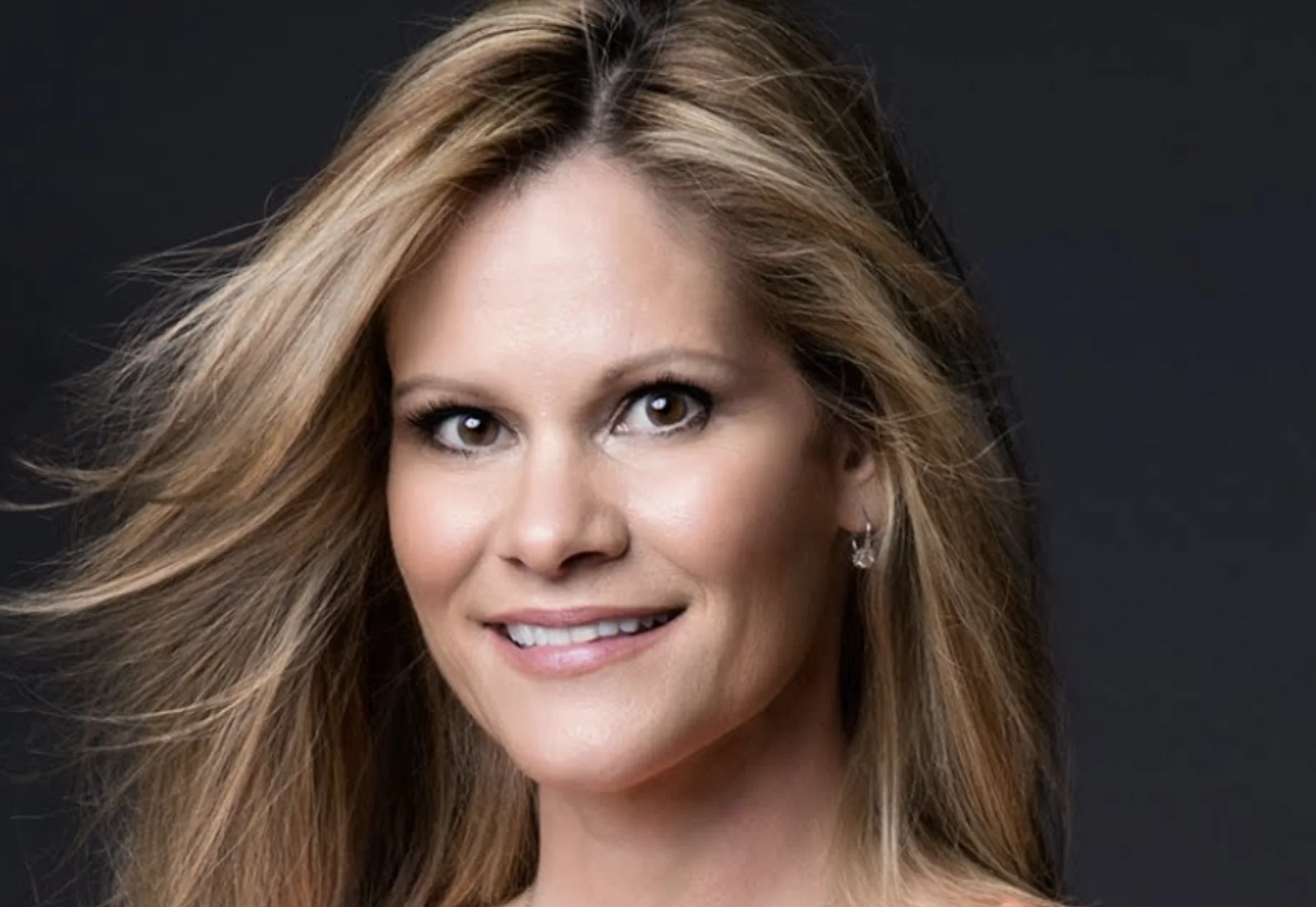
Tracey Head, a suburban Chicago resident who moved back to Illinois from Florida after several years away, says the state’s population loss, taxes and political climate are driving concerns about its future.
Head says her decision to return was influenced by changes she has observed in the state.
“I grew up in a really small town called Dunlap, which is about 20 miles north of Peoria,” she said. “First in my family to go to college and then on to law school. I went to the University of Illinois and met my husband when I was working.”
“I grew up in a family where nobody went to college,” she said. “We fought for everything.”
After building a legal career and living in suburbs including Clarendon Hills and Hinsdale, Head said her family moved between Illinois and Florida in part due to their children’s education, including during the COVID-19 pandemic when they sought in-person schooling.
Now in an empty-nest phase, she said the family has returned to Illinois.
The move comes as the state continues to face population declines. Illinois has recorded ongoing outmigration, with 55 of 102 counties shrinking and more than 40,000 residents leaving in the past year. While population totals have been offset in part by international migration and natural change, many residents have relocated to other states.
Head said the state’s population trends and policy environment are a source of concern.
“It makes me so mad to think that all these farmers' kids that I went to high school with were left behind in favor of these horrible illegals who are coming over here,” Head said.
She also pointed to what she described as visible cultural changes in DuPage County since her time away.
“People need to wake up,” Head said. “This is not a culture that wants to assimilate in the United States of America. When I came back to Hinsdale and saw all these women in burkas and stores popping up that were catering to this religion, I thought people need to figure this out.”
Head also spoke about cultural and political identity, referencing values she said she associates with her upbringing.
“We can’t lose that,” she said. “If we lose that, we lose our country.”
In contrast, she described what she sees as a shift in suburban attitudes, particularly around education, taxation, and public spending.
“I don't know what's going on with suburban white women,” Head said. “It's extremely disappointing. I don't know if it's because they never had to work or were coddled.”
According to the Kaiser Family Foundation, suburban white women tend to align with Democrat positions on key issues.
Head similarly pointed to what she views as differences in attitudes among educated professionals and their policy preferences.
“You have all these people who went to Northwestern, and went to medical school, and they’re like, ‘oh, we need to give more, give more.’ I’m like, are you kidding me, like, seriously?” Head said.
Head also expressed frustration with what she characterized as divisions in political discourse, especially regarding open dialogue between differing viewpoints.
“You can’t discuss things here. You can't, and that's not healthy,” Head said.
“Because of the name-calling and shaming, I think that people have become empathetic or apathetic,” Head said. “They don't want to seek out information for fear of being labeled. I think we're past that. The hate is there, and these leftists who say there is ‘no hate here’ should include an asterisk that says, ‘unless you're conservative or unless you disagree with me.’”
These concerns, she argued, tie into a broader debate over identity politics and merit-based systems.
“We can't let this identity-politic ideology overcome us,” Head said. “We need to get back to the basics. That's what we need in Illinois. We need to start being a merit-based society, which is what it always has been, and to now throw that away for what? For global elitism? No, thank you.”
Head emphasized concerns about education standards and fiscal priorities in local districts, arguing that public systems had changed significantly from her own schooling experience. She said she feels schools have also lost a focus on foundational skills.
“If you can’t even teach my child how to write in cursive, that’s crazy,” Head said.
National assessment data show that reading and math scores among high school seniors have declined to their lowest levels in more than two decades. Head connected that trend to broader cultural changes.
“I feel that since Obama, it's been like the dumbing down of the American mind,” Head said.
In addition to her personal views, Head has engaged in civic work through The Policy Circle, a women’s policy organization, which she said led to writing and advocacy efforts. She recently published an opinion piece in the DuPage Policy Journal criticizing identity politics and arguing that certain policies in housing, education and diversity initiatives undermine equal treatment and contribute to division.
She also argued that diversity and equity efforts in institutions such as education and government can lower standards, and criticized what she described as limits on open debate, saying disagreement is often reframed through labels such as “transphobia” or “systemic racism.” In her view, “group think” governance has failed and she called for a return to neutrality and merit-based systems.
“We're saying support America and support what we're based on,” Head said. “If you don't like that, then you should probably leave. Don't let the door hit you in the ass. I think the best way to overcome this is to do your own research. There's a lot of misinformation out there. Do not be afraid, because there are a lot of people who probably feel the same way as you do.”
Despite her criticisms, she said she believes the state is worth fighting for.
“Illinois is the bedrock of the Midwest, and if we lose the heart of our country, it's over, so yeah, 110 percent is worth fighting for,” she said.
At the same time, she emphasized the impact of policy decisions on everyday residents.
“These are good people,” she said. “These are blue-collar workers. They are the heart and soul of America.”
Economic factors also play a role in the state’s population trends. A recent report ranked Illinois as having the highest overall tax burden in the nation, with median-income households paying more than 16.5% of their earnings in state and local taxes.
“There are so many good people in Illinois, and they don't deserve this,” Head said. “No one deserves this kind of governance. We elect people to be our voice, and I can't believe that the majority of Illinoisans are voting for prisoner policies, and I do hope that there is a change in 2026 for the better.”